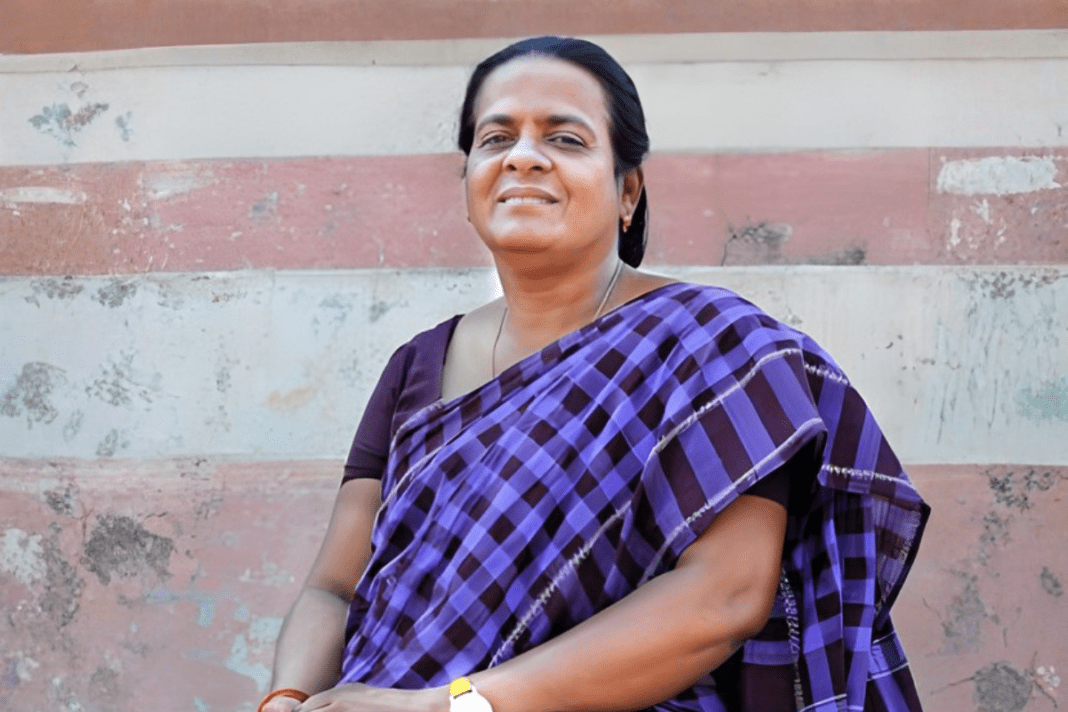

The youngest of ten children, D. Sharifa Khanam, saw her mother teach at an Urdu school after leaving an unhappy marriage. It was male authority that ruled every decision in their Tamil Nadu village. The young girl absorbed these patterns without questioning them until education carried her beyond the familiar boundaries of rural life. That girl grew into a woman who would spend four decades dismantling the same structures she had once accepted.
From Village Student to Women’s Advocate
Khanam grew up surrounded by patriarchy. Her mother’s independence as a teacher following marital separation provided an early model of female resilience, though the broader community remained firmly under male control. When her elder brother gained admission to IIT Kanpur, his achievement opened doors for Khanam herself. She enrolled at Aligarh Muslim University, where exposure to diverse perspectives began reshaping her understanding of women’s place in society.
The transformation crystallised in the late 1980s at a women’s conference in Patna. Khanam worked as a translator, converting Hindi and English presentations into Tamil. The assignment forced her to absorb testimony after testimony describing violence, abandonment, and injustice across religious and regional lines. Women from different states and communities shared remarkably similar stories of suffering. Khanam returned to Pudukkottai determined to act rather than merely witness. She began pooling money from tuition work and sari reselling to assist a small circle of women in crisis.
Building STEPS from Humble Beginnings
In 1987, Khanam formalised these efforts by establishing STEPS (Society for Training and Empowerment of Poor Students), an organisation dedicated to women’s development. Initial programs targeted schoolgirls, college students, and rural women through awareness workshops, poster campaigns, competitions, and self-defence training. The approach emphasised building confidence to resist violence before it occurred. Local officials took notice. The district collector allocated land for expansion, enabling STEPS to establish a centre specifically for women in distress.
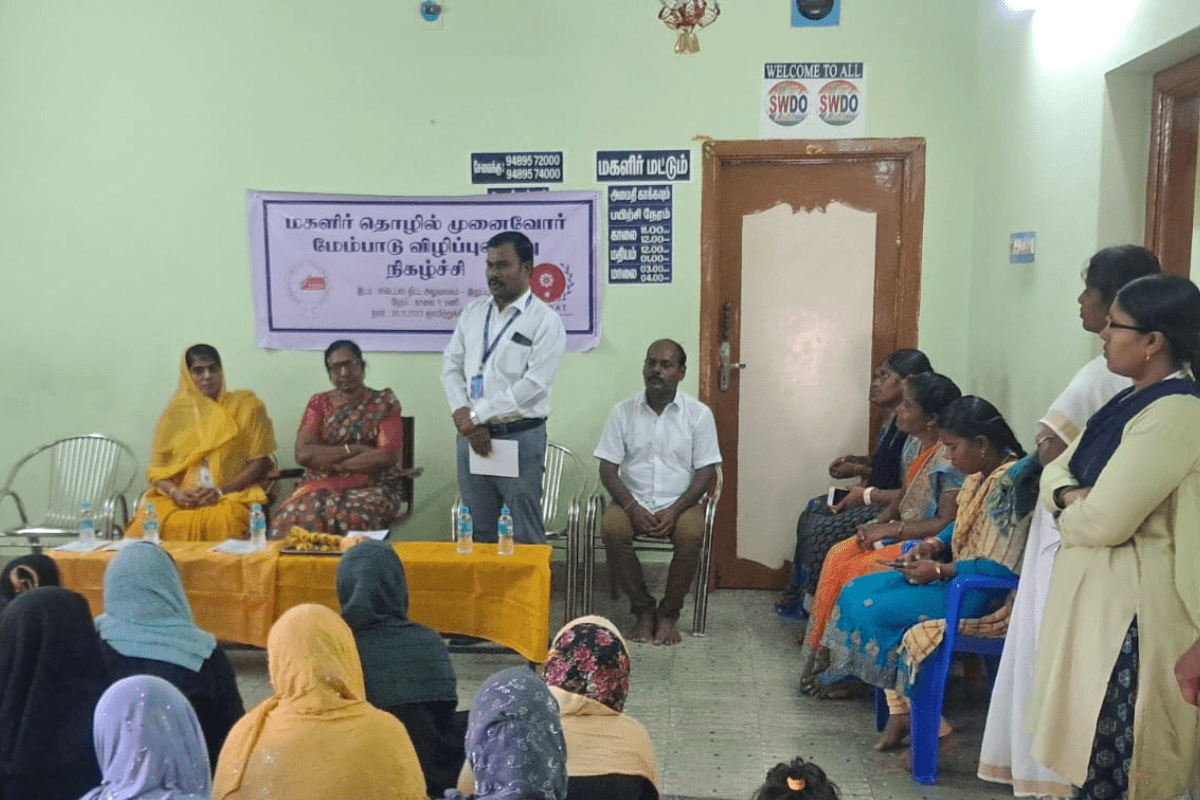
The organisation’s services grew to include a temporary shelter for victims of domestic violence, counselling for cases involving dowry disputes, divorce conflicts, sexual harassment, and child abuse. STEPS worked alongside police and community members to resolve problems through mediation and legal channels. Khanam treated self-respect as the foundation of liberation. Over time, STEPS intervened in approximately 3,500 cases while expanding its mandate to address employment, land rights, and livelihood support. The organisation operates from Pudukkottai, addressing violence within families, communities, and institutions.
Khanam initially helped women regardless of their religious background. However, communal riots in the region revealed particular vulnerabilities affecting Muslim women, prompting her to sharpen her focus without abandoning broader commitments.
Creating Alternative Justice Through Women’s Jamaats
Traditional jamaats functioned as informal courts attached to mosques, staffed exclusively by male elders. Khanam observed that these bodies consistently ruled in favour of husbands in cases of marital dispute. Women facing sudden divorce pronouncements, triple talaq declarations, maintenance denials, or physical abuse found little sympathy from jamaat members. Police often refused to get involved, calling such matters internal to Shariat law. Secular organisations hesitated to intervene for fear of appearing anti-religious.
Khanam concluded that change had to come from within the Muslim community itself. In 1991, she launched the first Jamaat composed entirely of women. By the year 2000, this experiment had evolved into the Tamil Nadu Muslim Women’s Jamaat Committee, an offshoot of STEPS. The committee drew its membership from poor and working-class women who met monthly at the district level and quarterly at the Pudukkottai headquarters. Currently, the network connects approximately 25,000 women across 15 of the state’s 31 districts.
Women bring cases to the Jamaat for counselling, potential escalation to police, or referral to courts. Disputes that cannot be resolved locally are referred to the central body. The Jamaat conducts regular workshops on Shariat using Tamil translations of the Quran, directly challenging male interpretations that justify discrimination. Members lobby for the enforcement of women’s property rights under Islamic law.
The Jamaat faced fierce opposition. Clerics issued death threats while men attacked the premise of women interpreting religious texts. But Khanam remained firm. Eventually, some mosques allocated space for women after sustained pressure from the Jamaat, though resistance still continues. Khanam frames her arguments using both Quranic scholarship and human rights principles. Many STEPS board members come from non-Muslim backgrounds, reflecting her collaborative approach.
Economic Empowerment and Practical Support
Beyond dispute resolution, the Jamaat promotes entrepreneurship through self-help groups. These collectives have disbursed more than Rs 2 crore in low-interest loans to poor Muslim women, achieving near-perfect repayment rates. Financing comes largely from Hindu supporters, as Muslim men remain reluctant to fund initiatives challenging traditional authority. The groups provide economic independence to women who leave abusive situations.
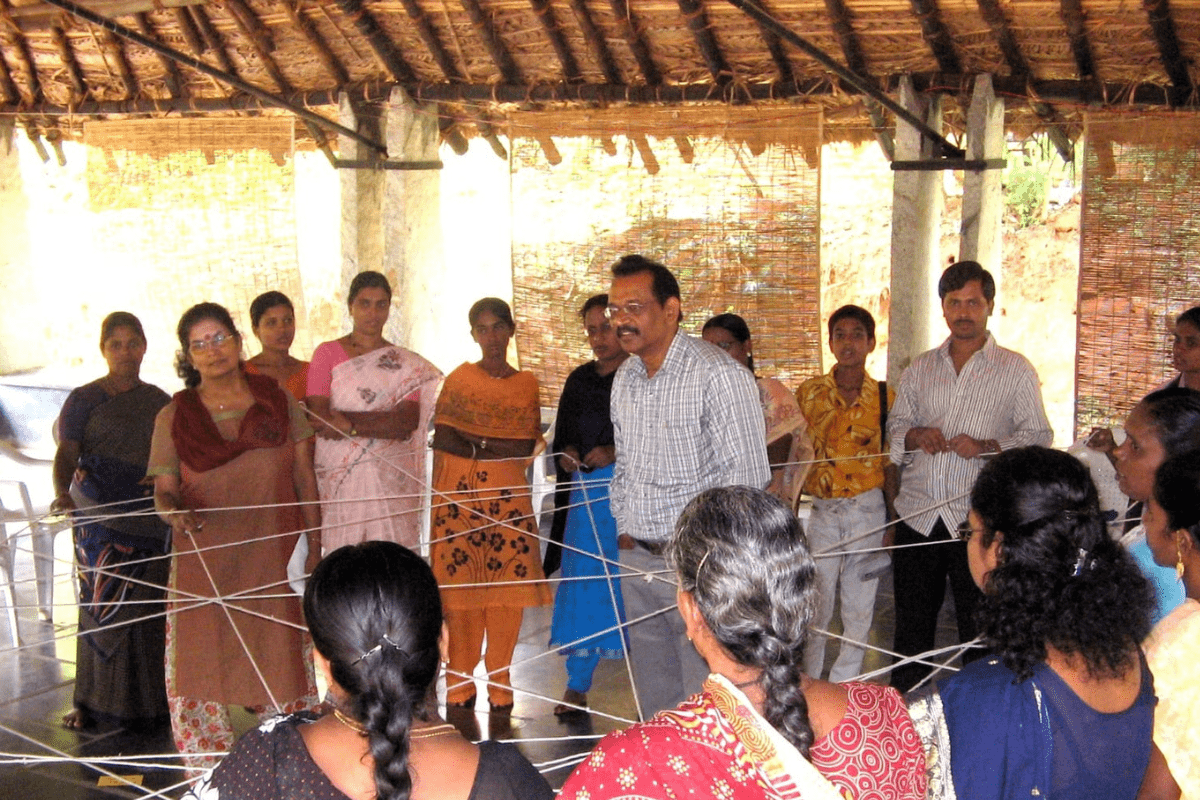
Educational workshops trace discrimination to male prejudice rather than religious doctrine. STEPS offers legal assistance, emotional counselling, and short-term housing for women fleeing violence. Khanam has advocated for establishing a women-only mosque as a potential centre for feminist Islamic discussion. Though unrealised, the concept symbolises her vision of women controlling their own religious spaces.
Ongoing Work and National Recognition
Khanam has received multiple honours for her activism. Profiles describe her as a protector of battered Muslim women with nearly four decades of continuous effort. In 2026, Tamil Nadu media included her among the state’s most influential Muslim changemakers.
Resource constraints initially limited STEPS operations, but community backing and government support enabled growth. Khanam demonstrates that marginalised women can drive substantial social change when provided with organisational platforms and a collective voice. Her model combines community leadership with religious literacy, offering a template that other regions might adapt. Tamil Nadu’s progressive indicators on women’s welfare owe something to grassroots movements like the one Khanam built on the foundation of her early determination to become, in her words, a fairy godmother for women who had none.
Also Read:Janaki Ammal: One Botanist Who Transformed India’s Sugarcane Forever
You can connect with DNN24 on Facebook, Twitter, and Instagram and subscribe to our YouTube channel.