
The man who arrived in Dehradun with nothing but a military record and a refugee’s dread ended up indulging the city’s sweet tooth for the next seventy years.
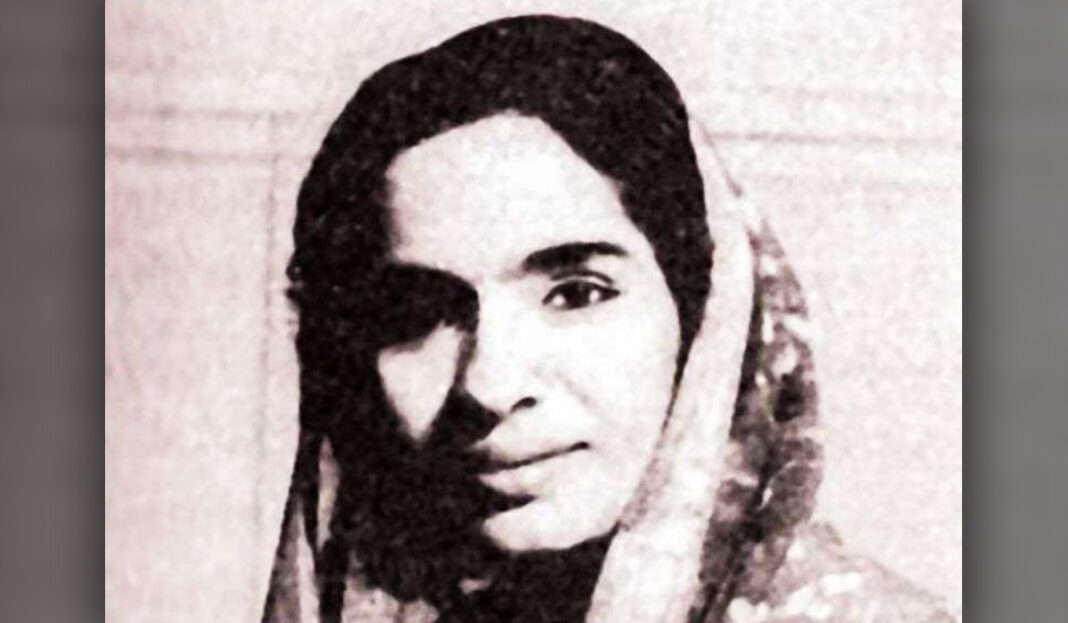
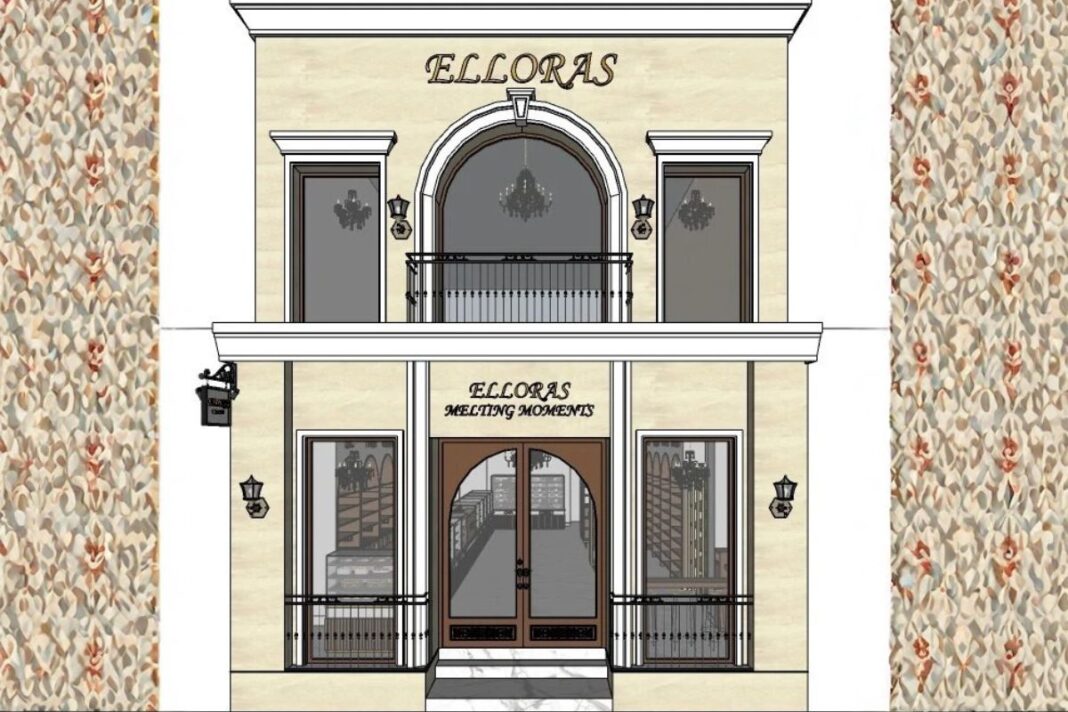
That man was Shri Krishan Lal Gulati, an ex-army soldier displaced by the Partition of India in 1947. Six years after losing almost everything, he opened a modest shop on Rajpur Road and called it Elloras Melting Moments. What followed was not a fairy tale, but a story of hard work and determination.
A Soldier-Turned-Baker By Necessity
Dehradun in the early 1950s was a city in transition. The British had left. Refugees were arriving from what was now Pakistan. And along Rajpur Road, a quiet but persistent baking culture had taken root, a leftover from the colonial era when British and Irish settlers introduced ovens and shortbread recipes to the Doon Valley.
Gulati did not arrive with a family recipe or a culinary education. He arrived with discipline, the kind military service instils, and the understanding that a man with mouths to feed cannot afford to fail at his trade. He studied the craft. He sourced ingredients. He worked through nights with wood-fired ovens, known locally as bhattis, learning by repetition what others had learned by tradition.
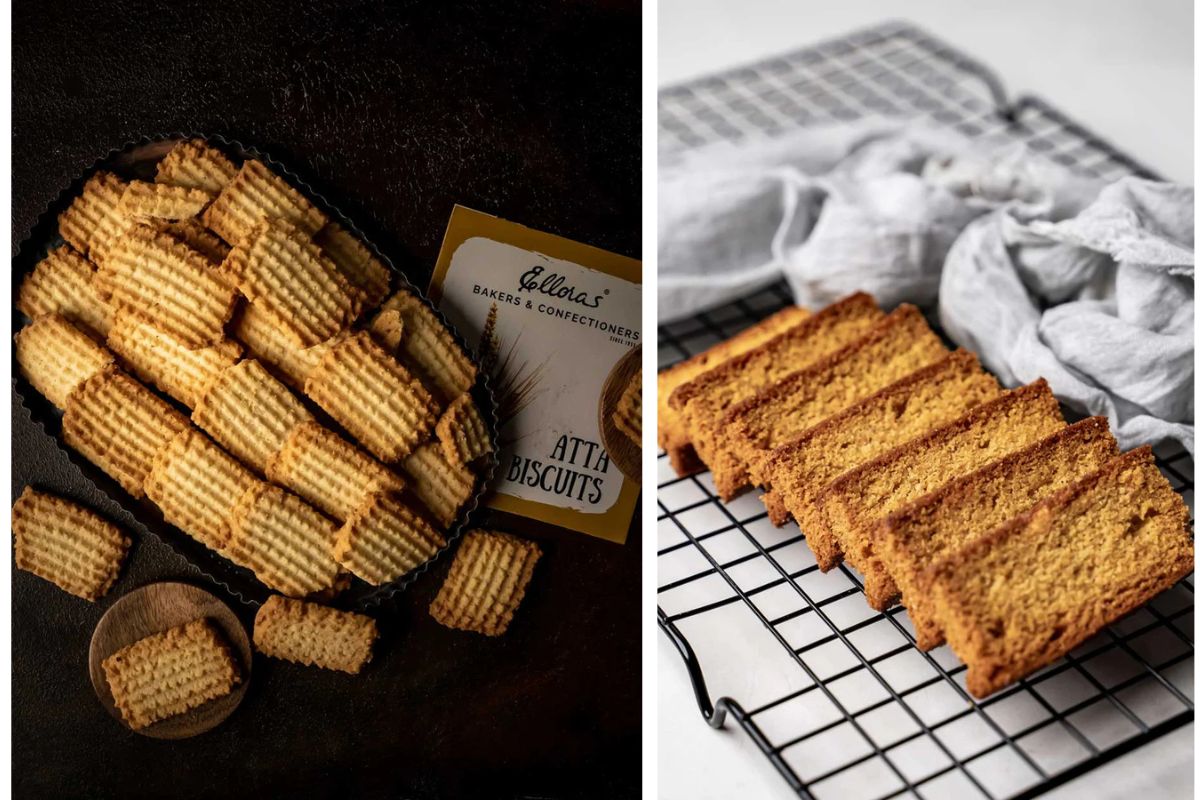
The valley offered him one quiet advantage. Dehradun’s water, drawn through limestone beds in the lower Himalayas, gave its breads and biscuits a quality that bakers elsewhere could not easily replicate. Locals noticed the taste. Word traveled. By the mid-1950s, Elloras had become a regular stop for Doonites on their way to work, for travellers heading up to Mussoorie, and for families marking occasions with a box of plum cake or rusks.
Products That Built the Reputation
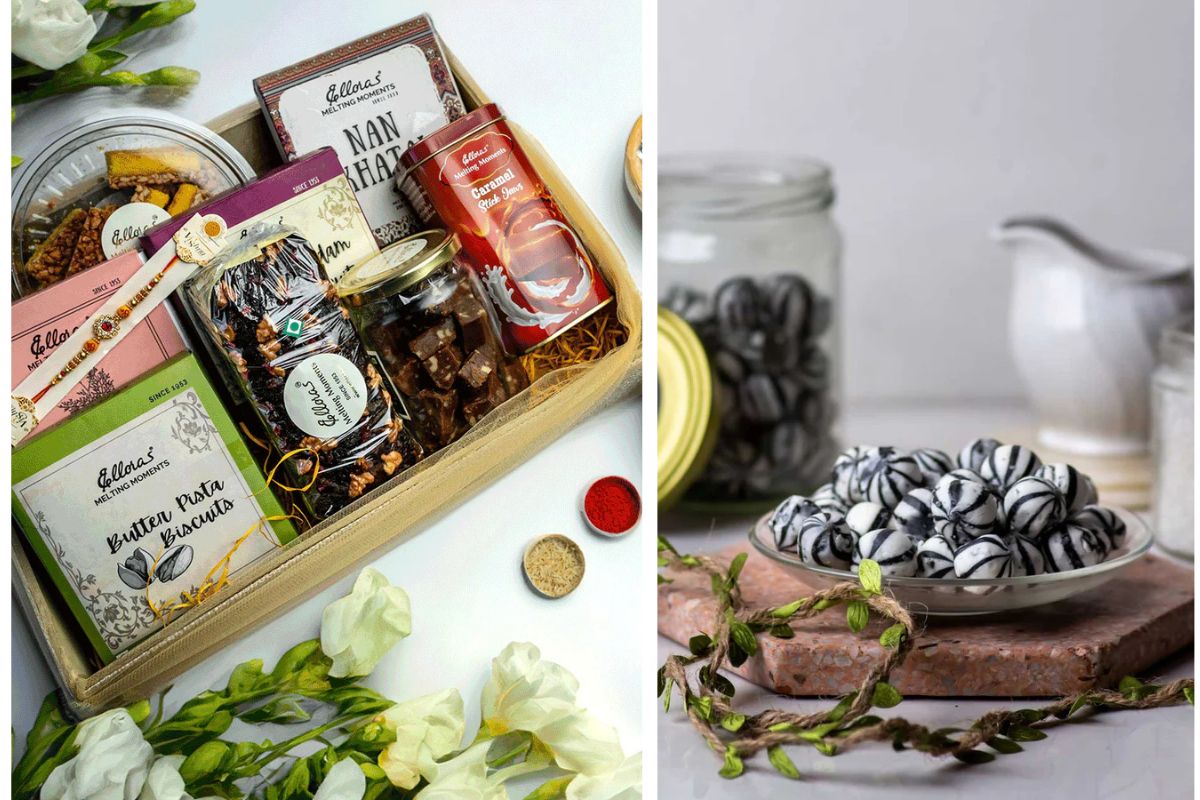
Among the bakery’s earliest and most enduring offerings are its stick jaws, a chewy caramel toffee with a texture that clings to the teeth and refuses to be forgotten. They became the shop’s signature in a way that surprised even its founder. Visitors pack them into bags alongside the plum cakes and butter biscuits as souvenirs of the Doon Valley, the way travellers elsewhere might carry a regional cheese or a bottle of local preserve.
The melting moments’ pastries, buttery and crumbling at the first bite, gave the bakery its full name. Rusks of several varieties, including elaichi and cake rusk, became everyday staples for those who took their morning chai seriously. Wood-fired baking remained the method of choice through the early decades, giving the products a faint smokiness that set them apart from the output of modern gas-heated commercial kitchens.

Over time, the range expanded considerably. Garhwali, Jaunsari, and Kumaoni pastries appeared on the shelves, drawing on regional flavours that were absent from the standard North Indian bakery repertoire. Honey walnut cake, chocolate truffle, pistachio-filled croissants and mushroom patties broadened the appeal. By the time the 21st century arrived, the bakery stocked upward of 500 varieties, a number that would have seemed absurd to the man who started with a handful of recipes and borrowed equipment.
A Family Trade, Carefully Maintained
Gulati died before he could see the full scale of what he had founded. His son, Virendra Gulati, a graduate of the Institute of Hotel Management in Pusa, Delhi, took over the business and made it his life’s work to protect what his father had built while growing it into something larger.
Virendra’s training gave him a professional framework, but his choices reflected an instinct for restraint. He expanded distribution across India. He grew the workforce to 300 artisans. He opened additional outlets. But he kept the wood-fired ovens burning and resisted the pressure to mechanise the processes that gave the products their character. The rusks still tasted like the rusks his father had made. The stick jaws still pulled at the teeth in the same maddening, satisfying way.
This is not a small achievement. Many family-owned food businesses that attempt to scale lose the essence that made them worth scaling in the first place. Not Elloras. The balance Virendra struck between growth and preservation is the less dramatic but more telling part of the bakery’s history.
His brother, Devender Gulati, eventually opened a separate venture, Nany’s Bakery, in 1985. The two operations coexisted as part of the same broader story rather than as competition, both contributing to what food writers and locals came to call the Bakery Street character of Rajpur Road.
The Clientele and the Claims Worth Noting
Over the decades, Elloras attracted customers from across the social and political spectrum. Uttarakhand’s Chief Ministers have been reported among the bakery’s visitors. Senior political figures from neighbouring Himachal Pradesh have been documented stopping by. The bakery’s location on Rajpur Road, a road that connects the city centre to the more affluent neighbourhoods and serves as a corridor for anyone travelling toward the hills, meant that it sat in the natural path of the powerful and the prominent.
A 2025 article in Times Now mentioned several well-known names, including cricketers and a former Maharani, as admirers of the bakery. The bakery’s published history focuses on its founding and products rather than its celebrity associations. Not that the bakery needs famous patrons to justify its reputation. The story of Elloras is already sufficient without embellishment, and the documented version of it holds together far better than the promotional one.
Seventy Years on Rajpur Road
By 2026, Ellora’s Melting Moments has survived urbanisation, the arrival of international bakery chains, and the general disruption that comes with a city growing faster than its older institutions can comfortably absorb. Grand Bakers and Sunrise Bakers, other Partition-era establishments along Rajpur Road, share this distinction. Together, they preserve a baking culture that might otherwise have been displaced entirely by the economics of scale and the homogeneity of franchise food.
The bakery’s festival boxes are still being sold in volume. Wedding orders still come in. The dawn crowds still arrive for the fresh rusks and the cheese patties. Rajpur Road regulars still stop by on their way to somewhere else and leave with a paper bag of stick jaws that they had not entirely intended to buy.
What Krishan Lal Gulati built in 1953 was, at its most practical level, a bakery on a busy road in a mid-sized Indian hill town. At every other level, it was the proof that a man displaced by history could set down roots deep enough to outlast his own lifetime, that a single trade practised with enough patience and honesty could become, in time, the thing a city reaches for when it wants to feel like itself again.
That is the Elloras’ story. Seventy years in, and still baking before dawn.
Also Read:Indian Cheese on the Global Map
You can connect with DNN24 on Facebook, Twitter, and Instagram and subscribe to our YouTube channel.