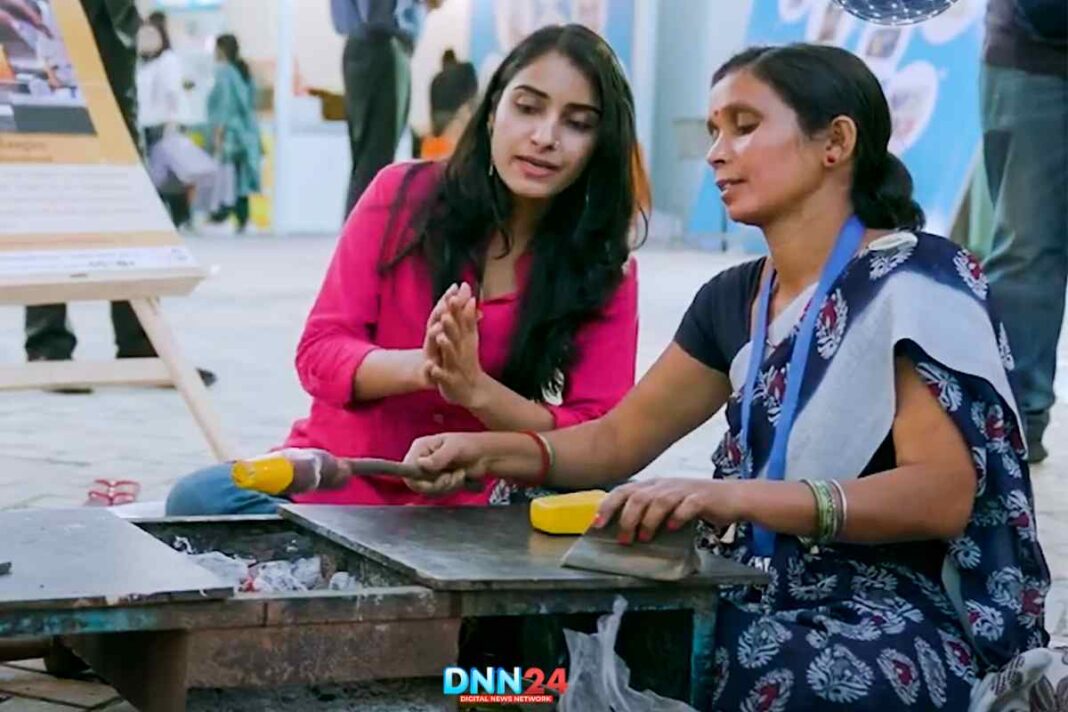

Lac bangles, derived from the Hindi word “bangli” meaning glass, have been crafted from various metals like bronze, copper, gold, and silver for centuries. However, the art of making lac bangles is a distinctive tradition indigenous to India. This article explores the history, significance, and production process of lac bangles, along with the challenges this traditional craft faces.
I. The Origins of Lac Bangles:
The term “lac” originates from the ancient Indian language and finds mention in texts as old as the Vedas. The Atharva Veda dedicates a chapter describing the Lac insect, its habits, and its usefulness. The Mahabharata even recounts the story of the Lac palace built by the Kauravas in their plot to eliminate the Pandavas.
II. Significance and Regional Popularity:
Lac bangles hold immense auspicious value in various parts of India and are particularly popular in Bihar, Andhra Pradesh, and Rajasthan. Rajasthani marriage rituals require specific traditional ornaments, and each festival is associated with distinct bangle ensembles. For instance, weddings call for the “gulali choodha,” the red-coloured bangle, while the “hare bandon ka choodha,” the green-colored bangle, is worn during other celebrations. Pink-coloured bangles are exclusively worn during Holi. As a result, the demand for these bangles increases during weddings and local festivities like Teej, Karva Chauth, and Holi.
III. The Production Process of Lac Bangles:
Sourcing and Processing Lac Resin:
Crimson red, resinous secretions known as Lac are produced by tiny insects such as Laccifer lacca, Carteria lacca, and Tachardia lacca. These insects colonize specific species of host trees, and the resin is extracted from the branches. The resin is scraped off, crushed, sieved, and washed to remove impurities. To improve cohesiveness and volume, wax and titanium are added to the molten Lac, along with colouring agents.
Shaping the Bangles:
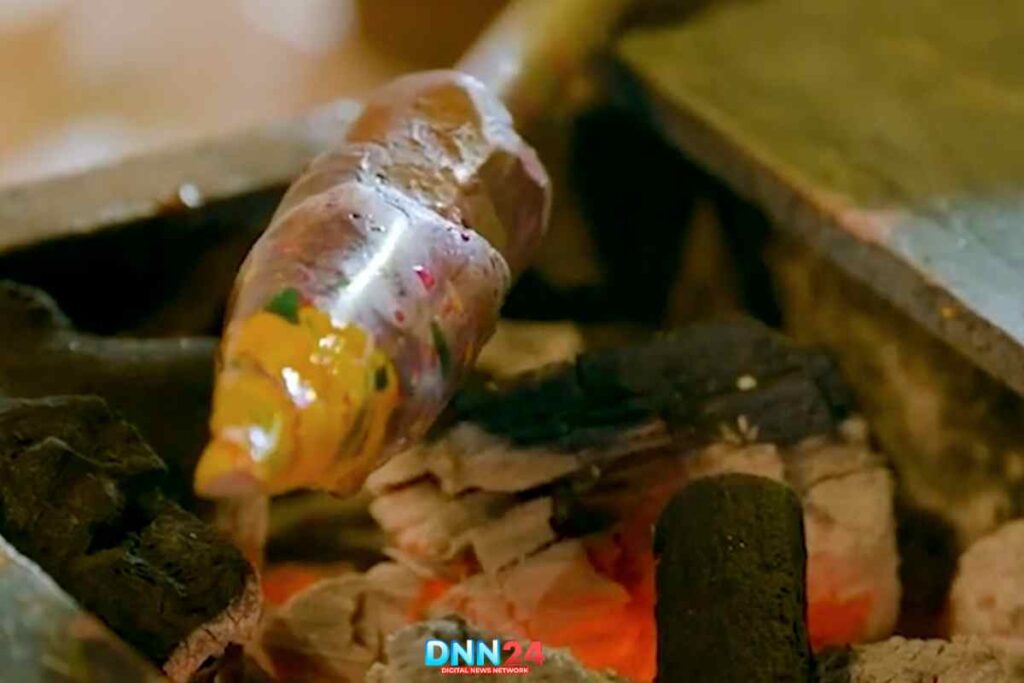
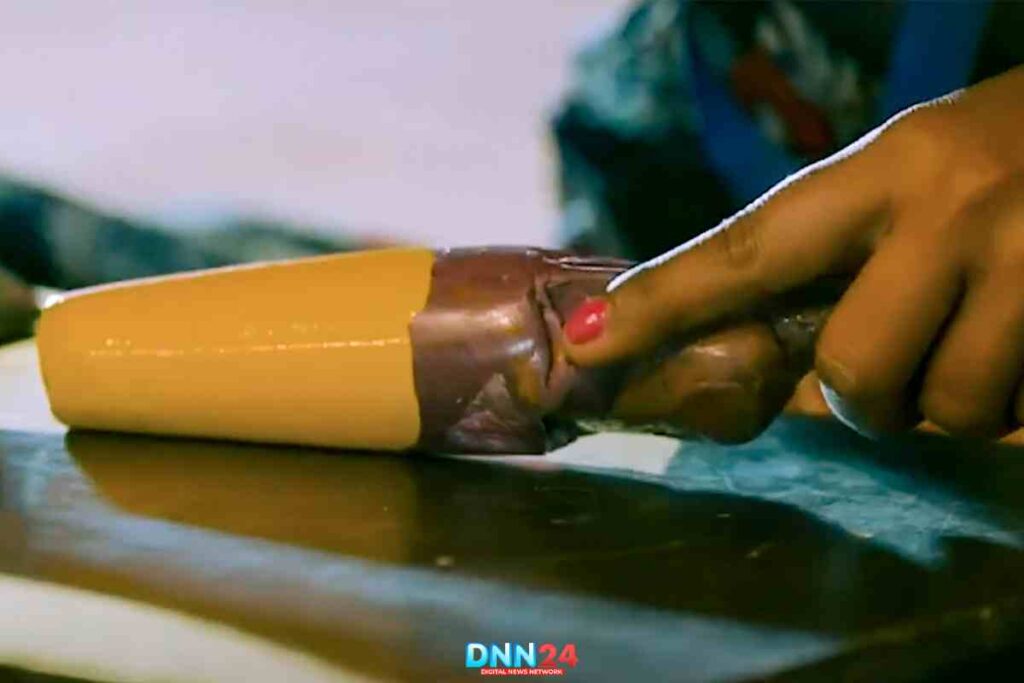
Normal Lac is thickly applied to a wooden rod, then rolled on a flat surface to create a cylindrical shape. The Lac is gradually heated over a coal burner while being pressed and rolled on a flat iron plate with the help of a wooden tool. Colored Lac is heated simultaneously and evenly applied by rubbing it onto the base lac. The Lac is then shaped into a thin coil and cut off from the plain lac rod. The bangle’s width varies depending on the design incorporated.
Base and Embellishments:
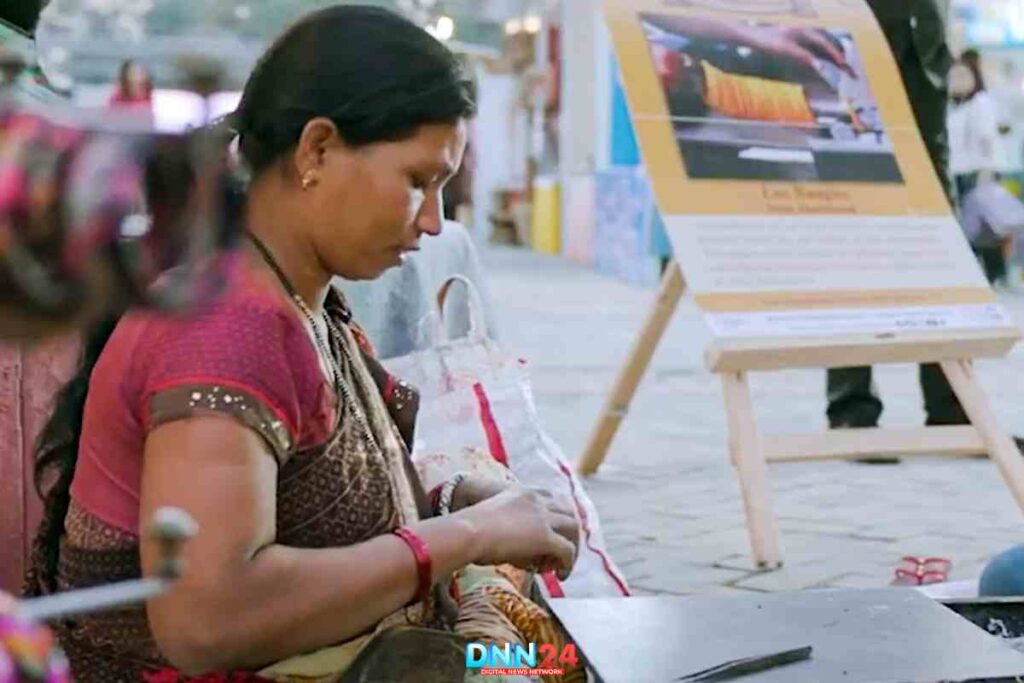
Brass or steel is used as a base for the Lac. The metals are moulded into the shape of the bangle, and the thin lac coil is rolled onto the base. Multiple brass bangles are combined for more delicate lac bangles, whereas the steel base’s thickness corresponds to the desired width. The semi-finished bangles are placed on a round wooden beam to adjust their shape and left to dry. Later, the bangles are adorned with beads, mirrors, pearls, and semi-precious stones. The stones are heated, allowing them to melt the lac surface and stick to the bangle precisely.
IV. Challenges Faced by the Lac Industry:
Deforestation has significantly impacted the availability of Lac reserves in India, leading to a rise in raw material costs. The Indian Lac Research Institute (now known as the Indian Institute of Natural Resins and Gums) is the only research institution dedicated to natural resins worldwide. Despite the efforts of the Indian Government, this traditional craft is gradually diminishing. The Lakhera or Laheri community, the conventional artisans involved in lac bangle-making, face various challenges. The number of furnaces for lac processing in Rajasthan has dwindled to less than 200, starkly contrasting to the more than 2,000 that existed just a generation ago. This decline in the number of artisans and furnaces threatens this cherished craft’s survival.
V. Preserving the Legacy of Lac Bangles: Efforts to revive and sustain the art of lac bangle-making are crucial to preserving this cultural heritage. Initiatives can include:
Conservation and Reforestation: Protecting the lac insect’s natural habitat through conservation efforts and reforestation projects can help replenish the Lac reserves.
Skill Development and Training: Supporting skill development programs and training sessions for young artisans can ensure the transfer of knowledge and expertise to the next generation.
Government Support: Governments can provide financial assistance, promote the craft through tourism initiatives, and establish dedicated craft clusters to encourage the production and sale of lac bangles.
Market Access and Promotion: Collaborating with organizations and platforms to create market access for lac bangle artisans, both domestically and internationally, can boost demand and create sustainable livelihoods.
Conclusion:
Lac bangles, with their rich history and cultural significance, are a unique traditional craft of India. From their origins in ancient texts to their role in auspicious ceremonies, these bangles carry a sense of tradition and identity. However, the craft faces challenges due to deforestation and the dwindling number of artisans. Supporting and preserving this art form is crucial to ensure its continuation for future generations to appreciate and cherish.
Also Read: Breaking the Silence: Normalizing Menstruation and Challenging Taboos
You can connect with DNN24 on Facebook, Twitter, Instagram and subscribe to our YouTube channel.