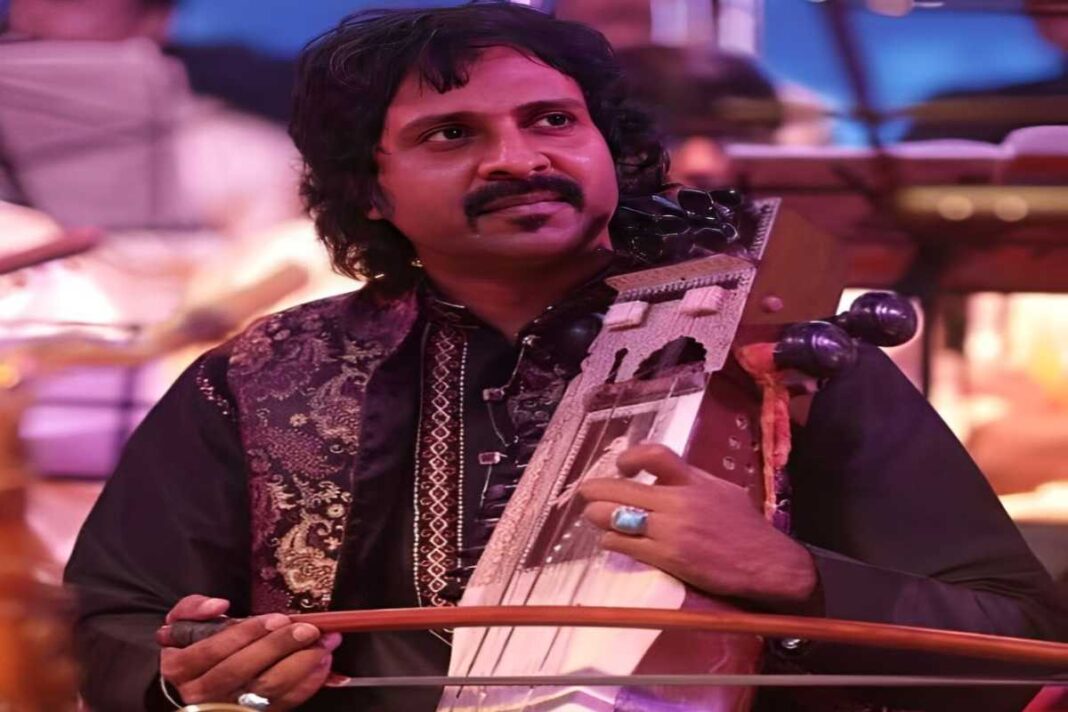

Bahadur Shah Zafar, the last Mughal Emperor, found solace in Sarangi melodies. Court musicians played this beloved instrument as his empire declined. Court musicians Ustad Haider Baksh and Ustad Badal Khan played this instrument, soothing the emperor’s troubled mind. Ustad Ghulam Ali, a famous Sarangi player today, recalls stories of these musicians from his teachers.
Ghulam Ali shares that Bahadur Shah Zafar was deeply fond of the Sarangi, even learning to play it himself. As the British East India Company threatened his rule, the emperor turned to this instrument for peace. The Sarangi’s human-like voice made it a perfect companion in lonely times.
The Legacy of Sonipat-Panipat Gharana
Ustad Ghulam Ali is part of the 500-year-old Sonipat-Panipat Gharana, a respected music tradition. This school of Sarangi playing was renamed during British rule. Ghulam Ali reveals that Sarangi was earlier called Sourangi, and it originated in Punjab.
Ali’s journey in music began at just three years old, guided by his father, Ustad Tajuddin Khan, a well-known Sufi singer. His grandfather, Ustad Niyaz Ahmed Khan, played a crucial role in his musical education, arranging for him to learn from Ustad Wazir Hussain Khan, a skilled Sarangi player at All India Radio Delhi.
A Life Dedicated to Sarangi
For five decades, Ustad Ghulam Ali has been performing Sarangi as a solo artist. He represents the 17th generation in his family to master this instrument, carrying forward a rich musical heritage. Ali believes the Sarangi is a magical instrument that complements all types of vocal music.
The story of the Sarangi, from comforting emperors to inspiring generations of musicians, showcases its enduring appeal. Through artists like Ustad Ghulam Ali, this ancient instrument continues to enchant listeners, bridging the gap between royal courts of the past and modern-day concert halls.
For detailed story, please visit: Awaz the voice
Also Read: The Sacred Pause: Lord Jagannath’s Rath Yatra and the Mazar of Salabega
You can connect with DNN24 on Facebook, Twitter, and Instagram and subscribe to our YouTube channel.