
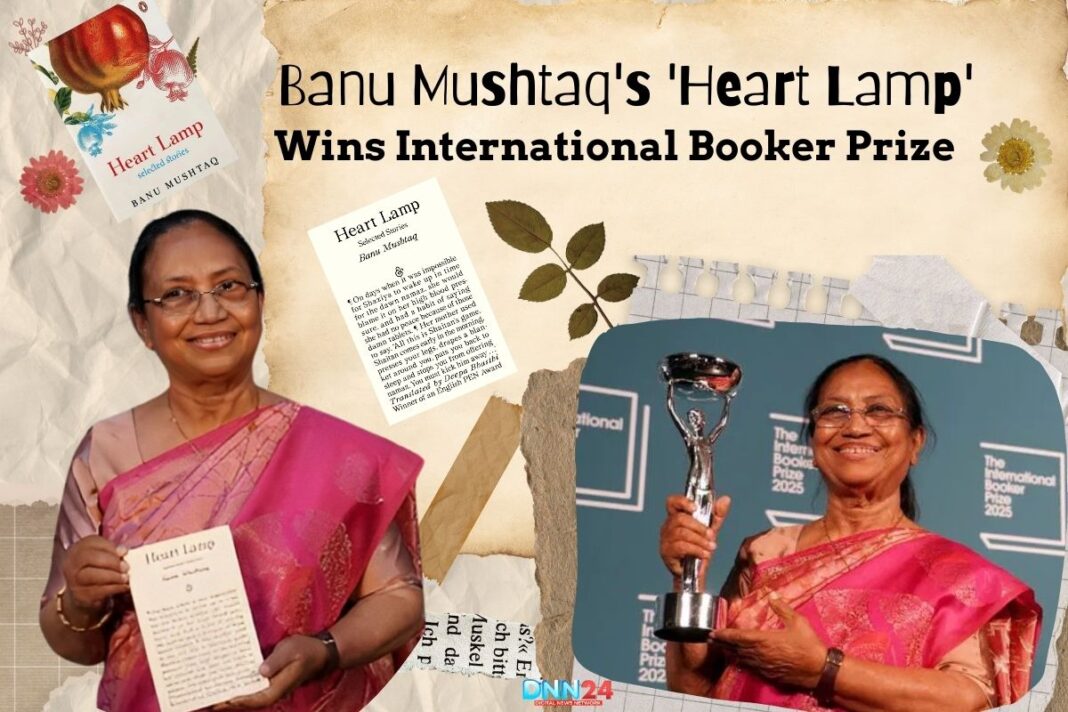

Indian writer, lawyer and activist Banu Mushtaq became the first Kannada novelist to receive the esteemed International Booker Prize for her short story collection Heart Lamp on May 20, 2025. Following Geetanjali Shree’s victory in 2022, this worldwide honor—shared with her translator Deepa Bhasthi—marks just the second time an Indian book has won the International Booker. Given Heart Lamp is the first short story collection ever to receive this honor, the accolade, presented at Tate Modern in London, is particularly noteworthy. The book, published over three decades, brings to life the daily hardships, aspirations, and goals of Muslim women in Karnataka, capturing their voices with empathy and humor.
Mushtaq’s relentless dedication to narrating stories that matter, her strong tie to her origins, and Deepa Bhasthi’s potent translating of these Kannada tales to a worldwide audience helped to make this victory possible. The £50,000 award is divided equally between the author and translator, as the International Booker acknowledges. “This feels like a thousand fireflies lighting a single sky—brief, brilliant, and absolutely collective,” Mushtaq said in her victory speech, echoing the general attitude of her work. She committed her triumph to all the voiceless voices she speaks for, thereby emphasizing that her success is personal and a celebration of Kannada writing and for women worldwide.
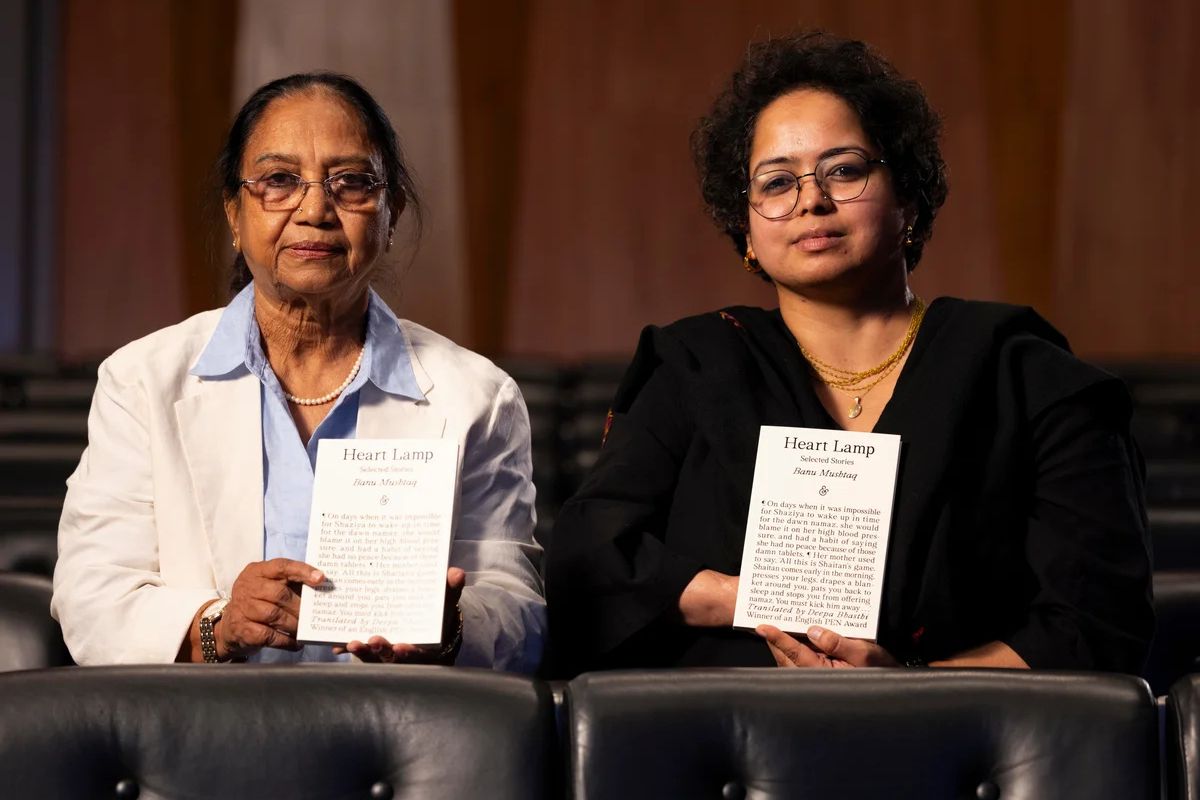
Who is Banu Mushtaq? The Woman Underlying the Words
The life of Banu Mushtaq is a fantastic trip of bravery, tenacity, and shattering of stereotypes. Born in the 1940s in Hassan, Karnataka, she grew up in a big Muslim household. Her father, despite her education’s strictness, encouraged her to write and stand up for herself. Mushtaq penned her first short story while in middle school, and her literary skill was acknowledged early when her work was published in the famous Kannada magazine Prajamata at the age of 26.
Besides being a writer, Mushtaq is a lawyer and a fervent champion of women’s rights. She has continuously opposed patriarchal standards, both in her personal life and in society. She married a guy of her choosing, bucking cultural norms, and used her legal training to confront inequality and injustice. Her life has been a succession of courageous choices—standing up for herself, advocating for others, and utilizing her pen as a vehicle for protest and change.
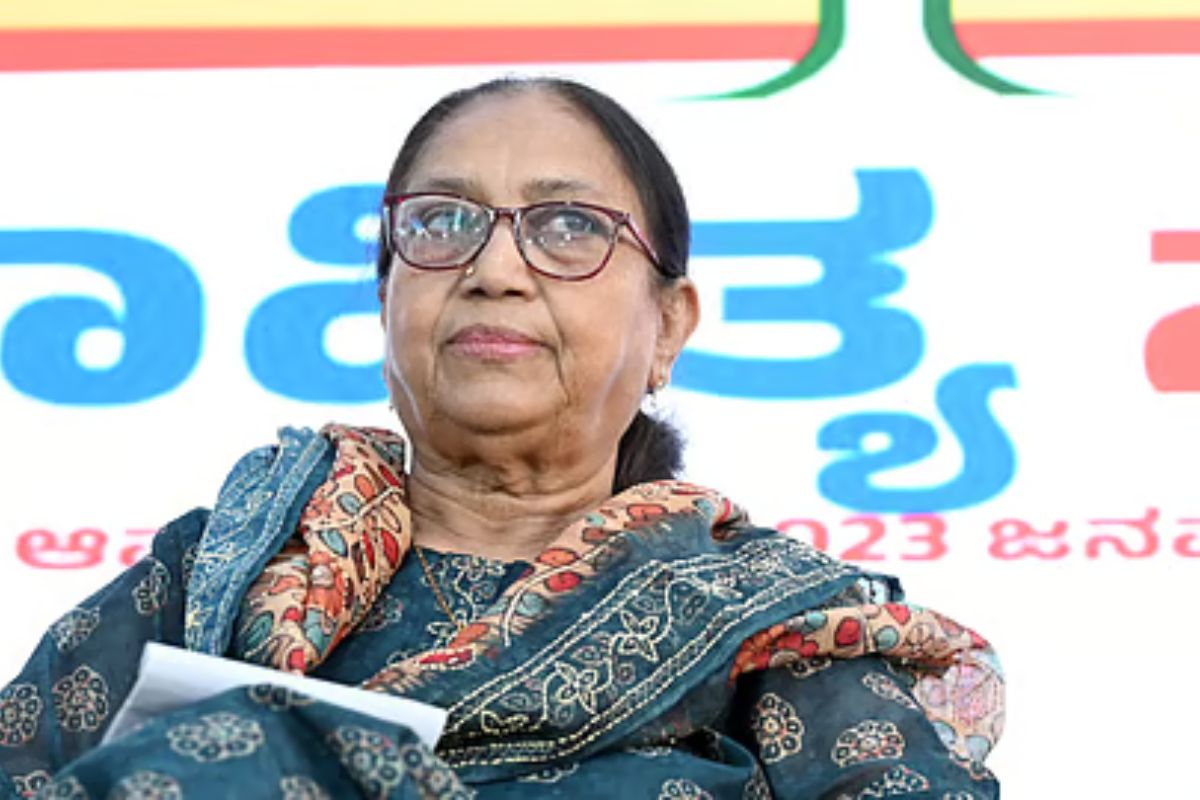
Throughout her journey, Mushtaq’s experiences as a woman, a lawyer, and a member of a minority culture have greatly affected her perspective and work. She is noted for her bravery in discussing delicate themes, including caste, gender, power, and religion. Her advocacy and her tales are linked, reinforcing the other and giving voice to people who are frequently unheard.
What Does Banu Mushtaq Write About?
Banu Mushtaq’s work is founded on the real-life realities of women and underprivileged groups in southern India. Her popular anthology Heart Lamp comprises 12 short tales written between 1990 and 2023, each reflecting Muslim women’s ordinary lives, difficulties, and tiny successes in Karnataka. These tales are not only about people but about whole communities—how religion, culture, and politics demand obedience from women, frequently inflicting violence and demanding sacrifice.
Mushtaq’s tales illuminate the interconnections of gender, caste, and power. She writes about women who strive for dignity and justice in a society that wants to silence them. Her legal expertise and activism give her tales a firm moral compass, while her humor and humanity make even the harshest realities approachable and compelling. Through her characters, Mushtaq explores how women manage family, tradition, and societal expectations, often finding little ways to rebel and express their agency.
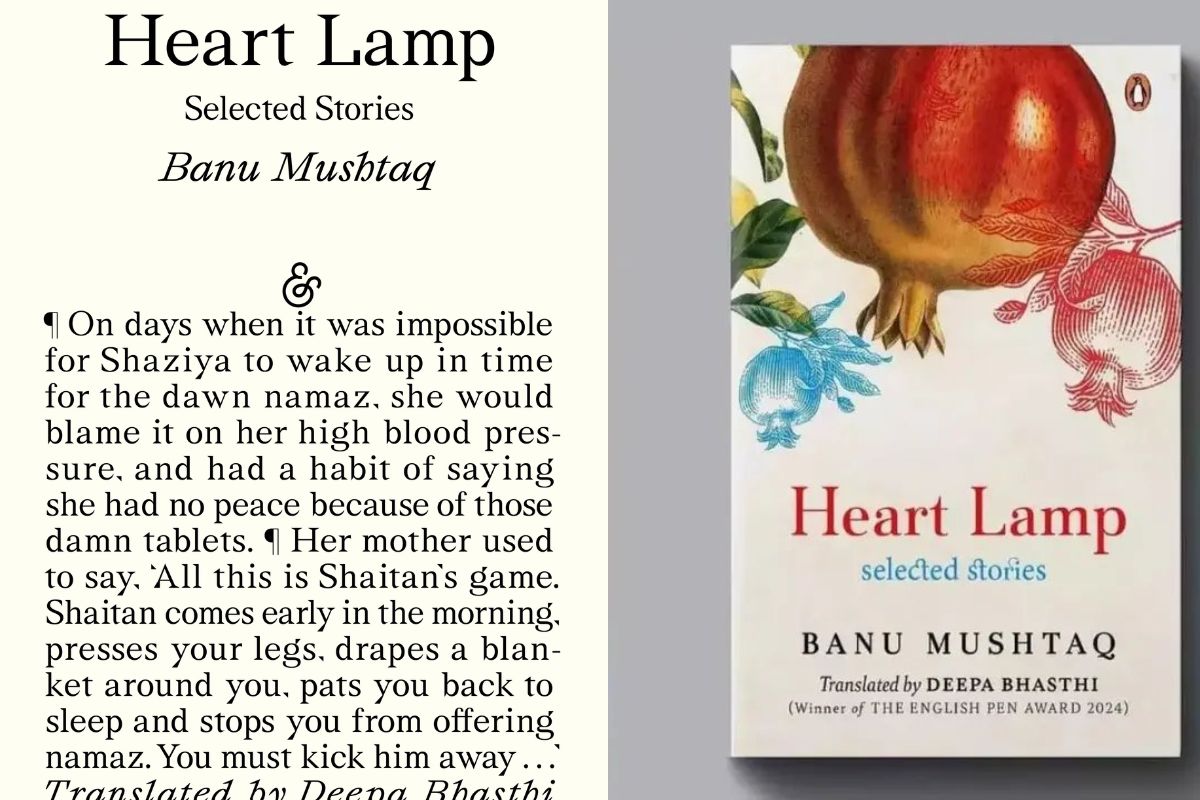
Her art is acclaimed for its honesty, fearlessness, and portrayal of the intricacies of ordinary life. Mushtaq’s tales are a chorus of voices—sometimes furious, sometimes optimistic, always honest. She has claimed that she writes for herself and as a voice raised in chorus with so many others frequently left unheard.
Banu Mushtaq’s Life Journey: A Story of Struggle and Triumph
Banu Mushtaq’s life path is as remarkable as the tales she writes. Growing up in a conservative atmosphere, she encountered numerous hurdles, but her father’s support helped foster her passion for writing. Even as a child, she questioned authority and battled for her rights. Her first published tale at 26 was merely the beginning of a lengthy literary and activism career.
As she pushed ahead, Mushtaq continued to smash obstacles. She became a lawyer, utilizing her legal skills to defend women suffering injustice. Her involvement stretched beyond the courtroom—she spoke out against discrimination, pushed for women’s rights, and engaged in social movements. Despite confronting criticism and pushback, she stayed firm in her ideas.
Mushtaq’s literary career spans over 30 years, during which she has produced various short story collections, essays, and poetry. Her tales have been translated into several languages, reaching audiences far beyond Karnataka. She has always utilized her platform to highlight the challenges and perseverance of women, particularly those from minority cultures. Her journey from a tiny hamlet in Karnataka to the world literary arena is a monument to her fortitude, creativity, and unshakeable devotion to justice.
Achievements and Rewards: Lighting the Path for Others
Banu Mushtaq’s list of accomplishments is both remarkable and motivating. Winning the International Booker Award for Heart Lamp is a historic milestone—not only is she the first Kannada writer to get this accolade, but her work is also the first short story collection to win the award. This feat has given worldwide attention to Kannada writing and has motivated numerous authors, particularly women and those from underprivileged backgrounds, to express their own experiences.
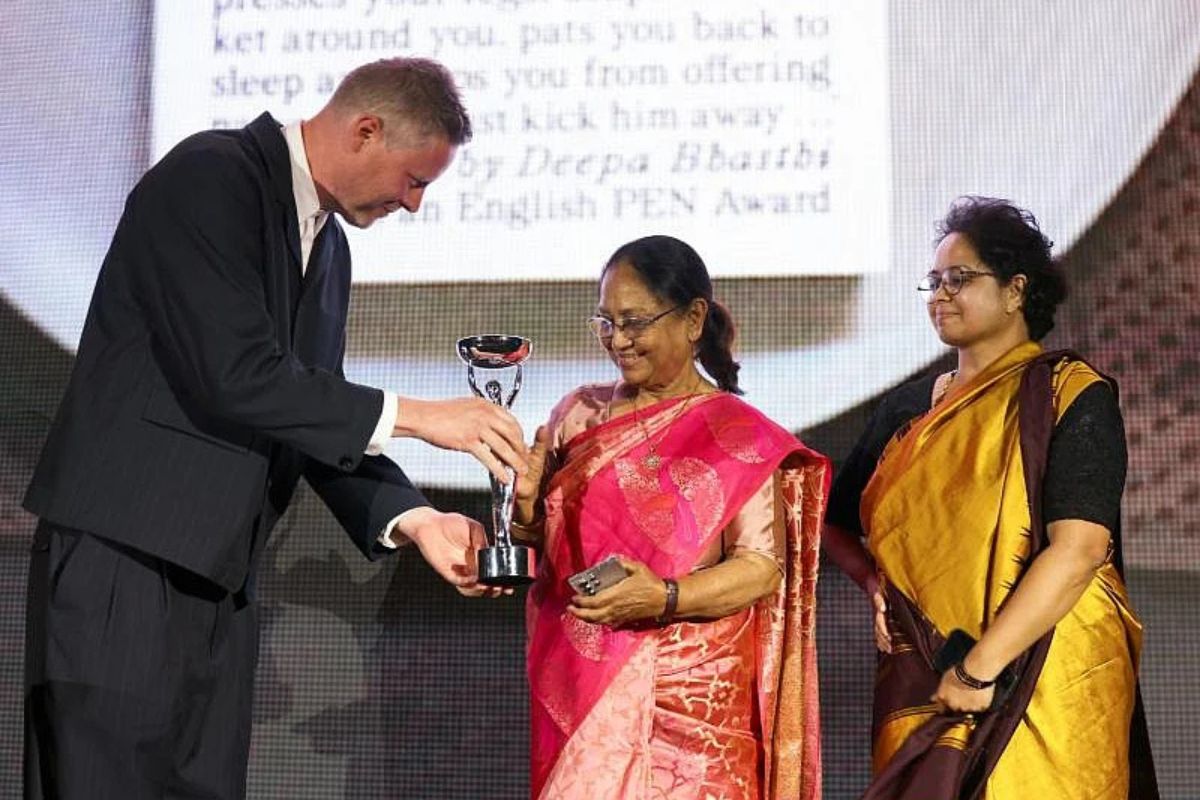
Alongside the International Booker, Mushtaq and her translator, Deepa Bhasthi, shared the £50,000 award, underscoring the significance of translation in bringing regional tales to the global stage. Mushtaq’s work has also been honored with other prominent honors in India, and her tales have been made into films and translated into numerous languages, further broadening her effect.
Her true satisfaction, however, comes in the lives she has touched and the voices she has helped magnify. Mushtaq’s novels have provided courage to women who see themselves mirrored in her characters, and her advocacy has opened the path for more justice and equality. She is a lighthouse for Indian writing, illustrating that themes based on local realities can connect internationally when expressed with honesty and love.
Conclusion: A Legacy of Courage and Compassion
Banu Mushtaq’s journey from a little child in Hassan to an internationally famous writer is a narrative of strength, endurance, and hope. Her recent International Booker Prize triumph is a testimony to the power of narrative and the necessity of uplifting silenced voices. Mushtaq’s life and work remind us that writing can force change, illuminating injustice and motivating others to dream, resist, and create.
Her legacy will continue to inspire generations of authors and readers, ensuring that the light she ignited with her words never goes out. She noted that her triumph is not just hers but a chorus of voices—brief, brilliant, and entirely communal.
Also Read: Cheriyal Nakashi: 15th Generation Artist Vinay Kumar Preservesing Hyderabad’s Colorful Heritage
You can connect with DNN24 on Facebook, Twitter, and Instagram and subscribe to our YouTube channel.