


Stand before the weathered walls of Jarai-ka-Math, and you might feel something shift inside you, as if the temple itself recognizes a kindred soul searching for meaning beyond the ordinary. This remarkable monument, rising from red sandstone on a gentle hill in Barua Sagar, sits just 18 kilometers from Jhansi along the road that eventually leads to Khajuraho. Built around 860 AD during the reign of Pratihara emperor Mihira Bhoja, this architectural marvel represents something far deeper than mere religious construction. It stands as a defiant proclamation carved in stone, announcing that human creativity and spiritual devotion can triumph over the relentless march of time itself.

The Archaeological Survey of India has protected this treasure since 1928, recognizing its importance to understanding medieval Indian civilization. As you approach the structure under the bright Bundelkhand sky, the intricate carvings seem to pulse with life, each figure telling stories that connect directly to concerns we face today. The temple’s survival through invasions, natural disasters, and centuries of neglect speaks to something fundamental about resilience and cultural continuity. In our current age of rapid change and digital distraction, Jarai-ka-Math offers an anchor point, reminding us that some achievements transcend their original context to address timeless human needs for beauty, meaning, and connection to something larger than individual existence.
Jarai-ka-Math: A King’s Dream Carved Into Eternity
Mihira Bhoja ruled the Pratihara empire at its zenith, commanding territories that stretched from Gujarat across to Bihar, defending against Arab incursions while maintaining internal stability across diverse populations. Yet this powerful monarch found time to conceive and execute architectural projects that would outlast his political achievements by more than a millennium. His devotion to Lord Vishnu’s Varaha avatar appeared on coins minted during his reign, but at Barua Sagar, he chose to honor the divine feminine instead.

Local legends connect the site to Goddess Jara or Amba, protective deities whose names resonate through ancient texts, including the Mahabharata. The decision to build here, on Jagatkhana hill overlooking what would become an important water source, demonstrated strategic thinking that combined spiritual significance with practical considerations. The temple follows Panchayatana design principles, with a central shrine surrounded by four subsidiary temples at the cardinal corners, creating both visual balance and theological symbolism.

Bhoja’s architects selected red sandstone as their primary material, a choice that ensured the structure would glow warmly in morning light and deepen to rich crimson at sunset. The craftsmen who transformed rough stone into elaborate artwork brought training rooted in earlier Gupta traditions while incorporating emerging Pratihara aesthetic preferences, resulting in a distinctive hybrid style. The main sanctum faces east according to careful astronomical calculation, positioning it to receive dawn’s first rays during morning worship rituals. Construction required coordination of numerous skilled laborers over extended periods, channeling imperial resources into creating something intended to serve the divine presence for countless generations.
Jarai-ka-Math: Where Sculptors Made Stone Dance
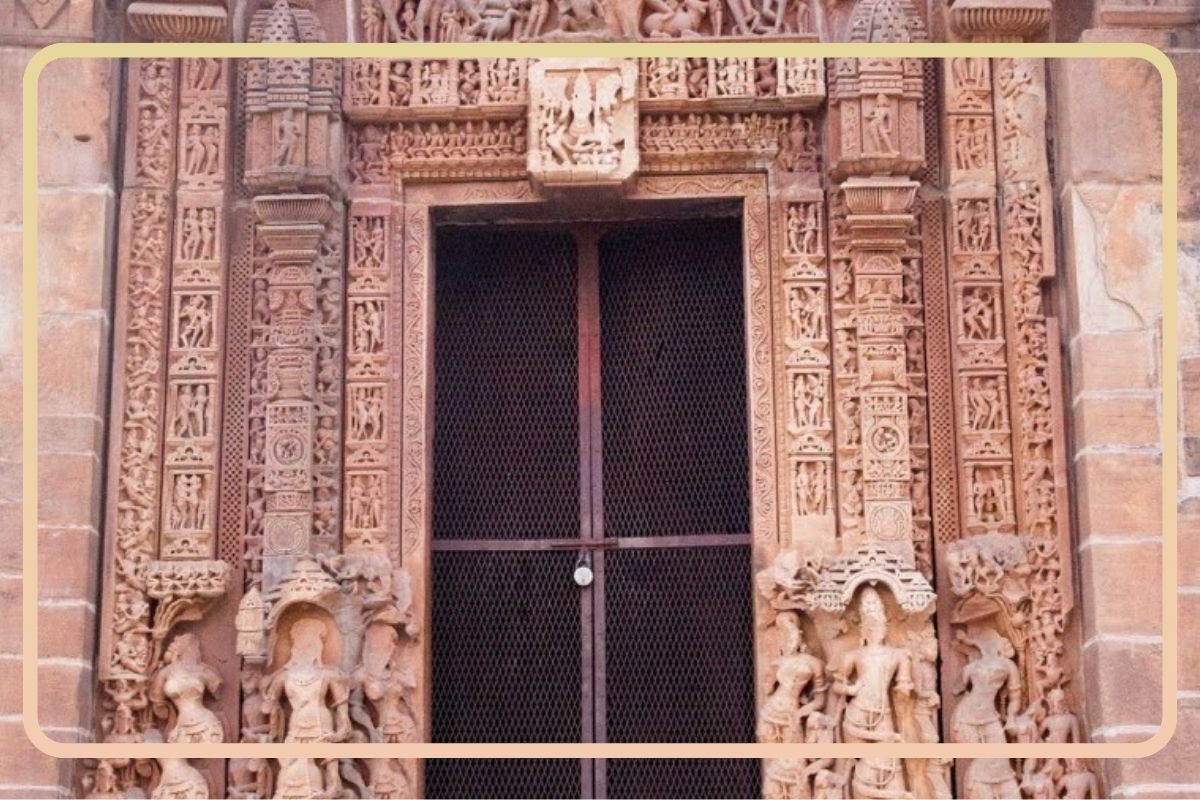
Walking around Jarai-ka-Math today reveals artistic ambition executed with remarkable technical skill. The Pancharatha style sanctum, built rectangular and elevated on its pitha platform, displays a confident architectural vocabulary through every structural element. Doorways transform from functional openings into elaborate ceremonial portals through dense layers of carved decoration framing the passages. The outer walls function as three-dimensional galleries populated by goddesses in various poses, vigilant dwarpalas maintaining eternal guard duty, and celestial maidens whose sensuous forms celebrate physical beauty as a manifestation of divine creative energy.
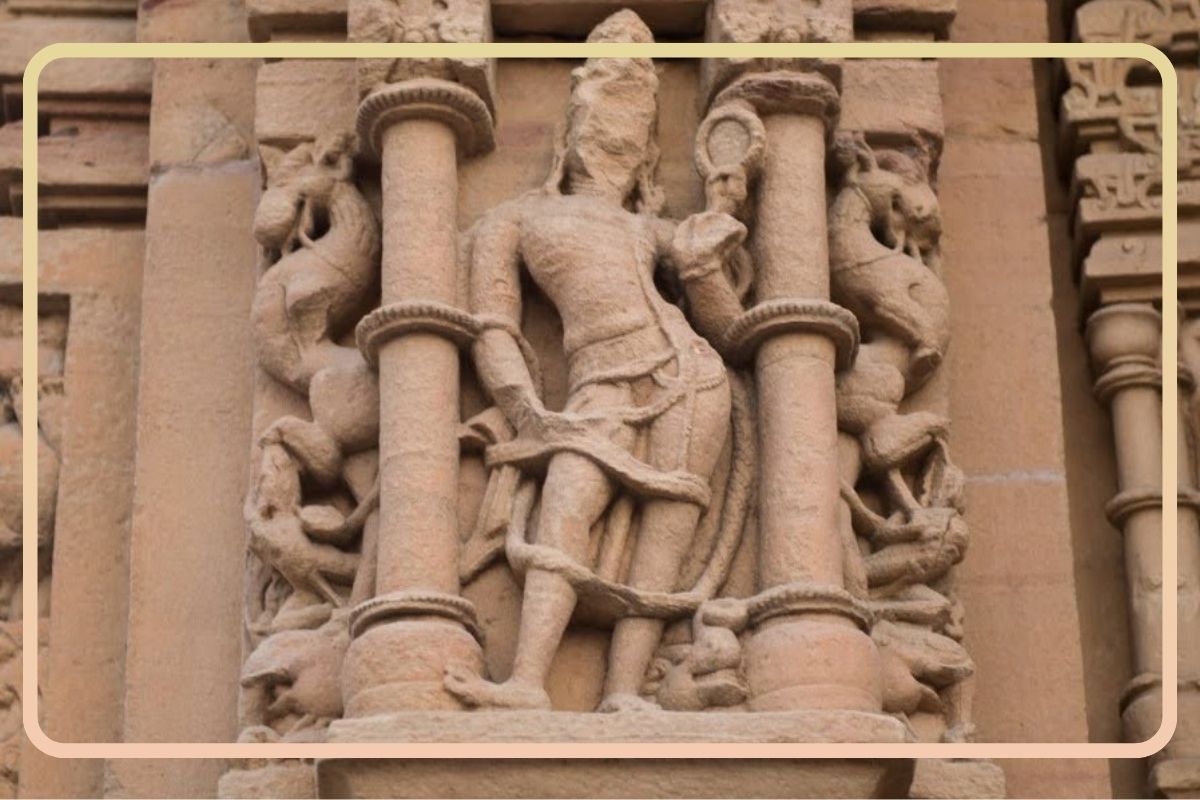
The shikhara, though reduced from its original height to five remaining storeys after partial collapse, continues commanding attention through rhythmic gavaksha arches that create ever-changing patterns of light and shadow as the sun moves across the sky. Large-scale sculptures on the eastern facade demand engagement, including compositions suggesting Shiva and Parvati in cosmic dance, elaborate lotus motifs that once supported a magnificent central idol now lost to history. Inside the garbha-griha, the empty pedestal speaks simultaneously of loss and continuity, while the lintel above preserves a powerful multi-armed goddess figure, her numerous hands holding symbols promising protection and blessing.
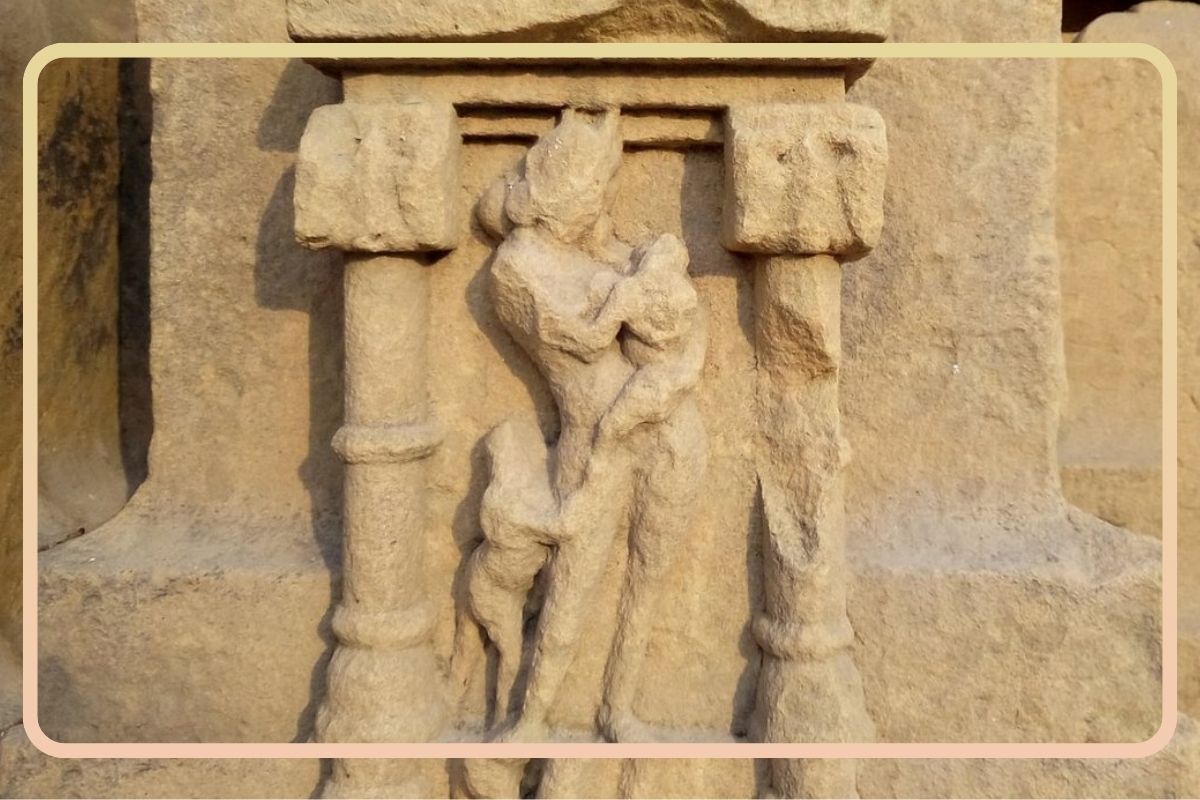
The sensuous figures adorning various wall surfaces, from apsaras frozen in graceful movement to majestic elephants representing royal power and natural vitality, reflect worldviews that integrate spiritual devotion with celebration of earthly existence. These carvings incorporate tantric influences that acknowledge divine energy manifesting through physical forms and sensual experience. Seventeenth-century renovations helped preserve these artistic treasures during periods when neighboring Chandela structures deteriorated into picturesque ruins, demonstrating ongoing community investment in maintaining cultural heritage despite limited resources.
Jarai-ka-Math: Tested by Time, Strengthened Through Survival
Jarai-ka-Math endured trials that destroyed countless contemporary monuments across northern India. As Pratihara power fragmented during the eleventh century, the political landscape underwent dramatic transformations. Delhi Sultanate forces established control over the region, followed centuries later by Mughal administrators who brought different architectural preferences and religious priorities. Unlike more famous sites that experienced documented destruction during periods of conflict, Jarai-ka-Math survived through relative obscurity and continuing local connections.
Communities maintained relationships with the temple even during politically unstable periods, viewing it as ancestral heritage worth protecting despite changing dynasties and religious frameworks. The seventeenth-century repairs to the damaged shikhara demonstrate this ongoing commitment, as villagers invested scarce resources to restore a structure already eight centuries old. Local legends wove themselves into the temple’s story, particularly narratives connecting it to Goddess Jara from Mahabharata traditions, a rakshasi transformed into a household deity offering protection against drought.

Some versions link the site to Parvati mythology, suggesting divine anger transformed into a benevolent presence watching over the region. Through Mughal administrative periods and British colonial interest in cataloging Indian antiquities, the temple remained standing, though increasingly neglected. The Archaeological Survey of India’s 1928 declaration as a protected monument brought professional conservation expertise and legal protection against looters who targeted ancient sites. Current policies maintain the structure as a historical monument rather than an active worship site, preserving authenticity while permitting educational access and responsible tourism that generates awareness about India’s rich architectural heritage.
Jarai-ka-Math: Ancient Wisdom Speaking to Modern Hearts
Encountering Jarai-ka-Math in 2025 creates unexpected resonance as this ninth-century structure addresses contemporary concerns. Located beside Barua Sagar lake, the temple sits within easily accessible heritage territory just 18 kilometers from Jhansi’s urban facilities. Visitors reach the site by various local transport options, finding open access during daylight hours without entrance fees or excessive commercialization. Morning visits offer ideal conditions for appreciating sculptural detail as angled sunlight emphasizes depth and texture, while evenings provide a contemplative atmosphere under emerging stars.

Nearby heritage sites, including Raja Gangadhar’s memorial and Rai Praveen Mahal, create opportunities for fuller regional exploration. The temple’s continuing relevance extends beyond aesthetic appreciation into urgent modern issues. As Bundelkhand confronts intensifying water scarcity reminiscent of ancient droughts that inspired Jara worship, the temple’s historical connection to environmental concerns gains renewed significance. For generations seeking meaningful heritage engagement beyond superficial social media content, Jarai-ka-Math provides substance without overwhelming tourist infrastructure.
Educational groups regularly visit, learning about the Pratihara civilization’s contributions during periods often overshadowed by earlier Gupta achievements or later Mughal monuments. The temple’s focus on Shakti theology speaks to contemporary discussions about feminine divine power across traditions. Its architectural sophistication challenges simplistic historical narratives while demonstrating technological capabilities and artistic vision. The emotional impact of experiencing Jarai-ka-Math extends into personally transformative territory.

Mihira Bhoja’s vision preserved through dancing devis and resilient shikhara mirrors universal experiences of beauty emerging from struggle and faith persisting despite fragmentation. The empty pedestal transforms absence into invitation, encouraging visitors to project aspirations into sacred space. For families visiting together, the site provides multi-generational engagement where children respond to dramatic forms while elders share historical narratives. The therapeutic quality of time spent among structures built with patience offers a counterbalance to modern life’s accelerated pace. Jarai-ka-Math endures because we need it, reminding us that some human achievements transcend their original moment to address timeless longings for beauty, meaning, and connection to something eternal.
Also Read: Tomb of Sher Shah Suri: An Emperor’s Dream Palace Floating On Water
You can connect with DNN24 on Facebook, Twitter, and Instagram and subscribe to our YouTube channel.