

A place exists where prayers defeat armies and love overpowers tyranny. Maner Sharif, 25 kilometres west of Patna in Bihar, sits quietly, holding centuries of secrets within its ancient walls. This town carries the soul of Bihar’s spiritual heritage, a testament to Sufi saints who transformed battlefields into prayer grounds. The story begins in 1180 AD when an Arab mystic named Hazrat Momin arrived to face a cruel local king. What followed changed the course of history. The fort that once symbolised oppression became a sanctuary of peace, establishing Islam’s compassionate presence in the Hindu heartland.
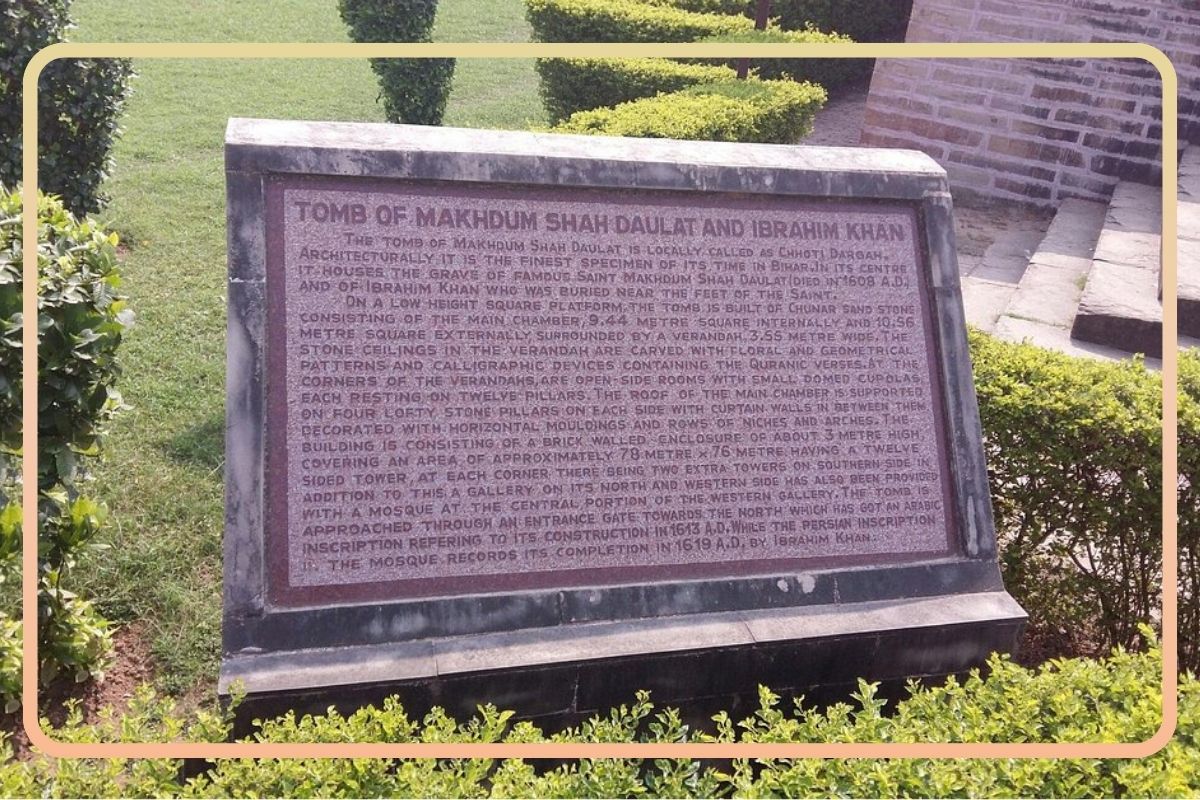
Today, two magnificent shrines dominate the landscape: Badi Dargah, home to the 13th-century sage Makhdoom Yahya Maneri, whose teachings spread like wildfire across Bihar, and Chhoti Dargah, built in 1608 for his descendant Shah Daulat Maneri. The tomb of Shah Daulat stands adorned in Mughal sandstone, a masterpiece of architectural devotion.
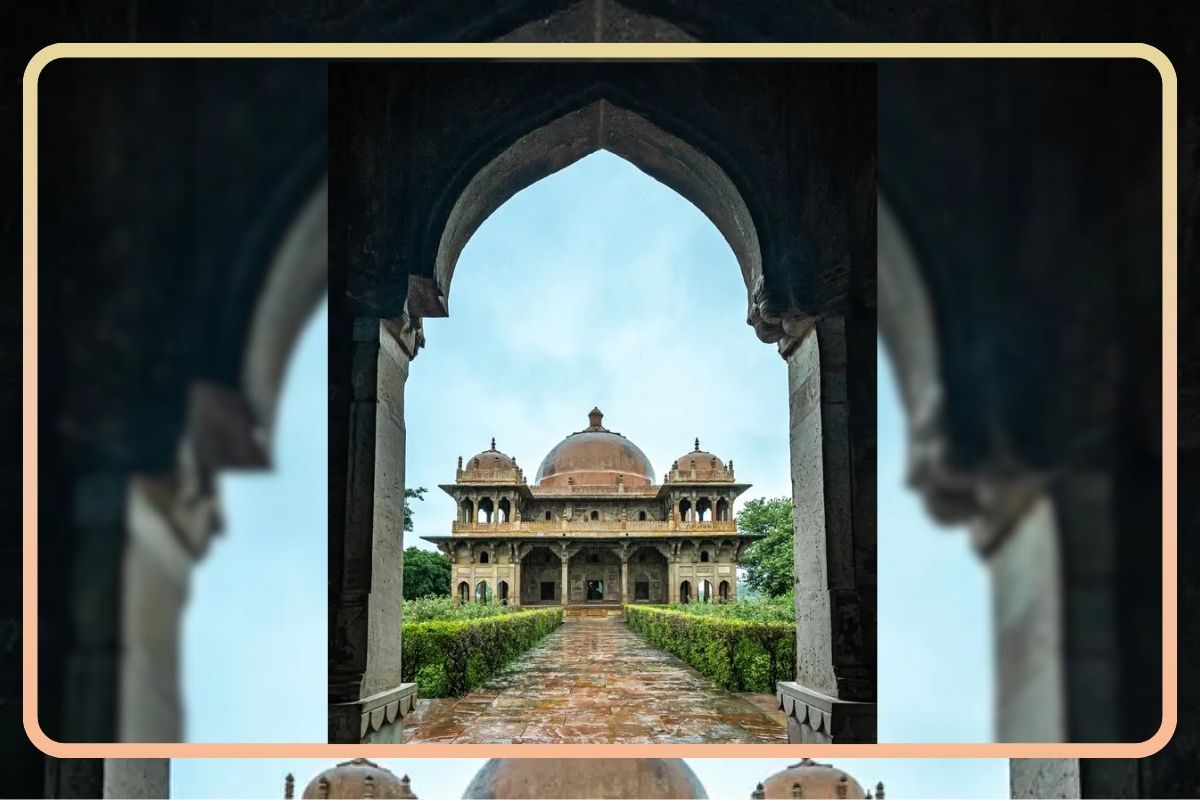
Inside these walls rest sacred relics, including strands of Prophet Muhammad’s hair, treasures that drew mighty emperors like Babur and Shah Jahan to bow in humble reverence. The annual Urs festivals transform the town into a symphony of devotion, where Hindus and Muslims gather together, their voices rising in qawwali songs that speak of universal brotherhood. This remains a living tradition, not merely historical memory preserved in dusty books.
The Fort That Surrendered to Faith
The year was 1180 AD, marked as 576 in the Islamic calendar. A fortress stood in Maner, its gates locked against ordinary people, its ruler harsh and unforgiving. Hazrat Momin, an Arab mystic pure in intention and gentle in manner, arrived spreading the message of compassion and divine love. The local raja saw a threat in this kindness and responded with cruelty, imprisoning the fakir and mocking his peaceful ways. Heartbroken but undefeated, Hazrat Momin journeyed to Medina, seeking guidance and strength.
He returned transformed, accompanied by Hazrat Naz Faqih from Jerusalem, leading a company of dervishes who carried faith as their only weapon. These spiritual warriors approached the fort not with swords drawn but with prayers on their lips and conviction in their hearts. The fort fell without violence, its stones bearing witness to an impossible victory. Tyranny gave way to mercy, and the fortress became a home for seekers of truth. This miraculous conquest planted seeds that would bloom into Maner’s magnificent spiritual tradition.
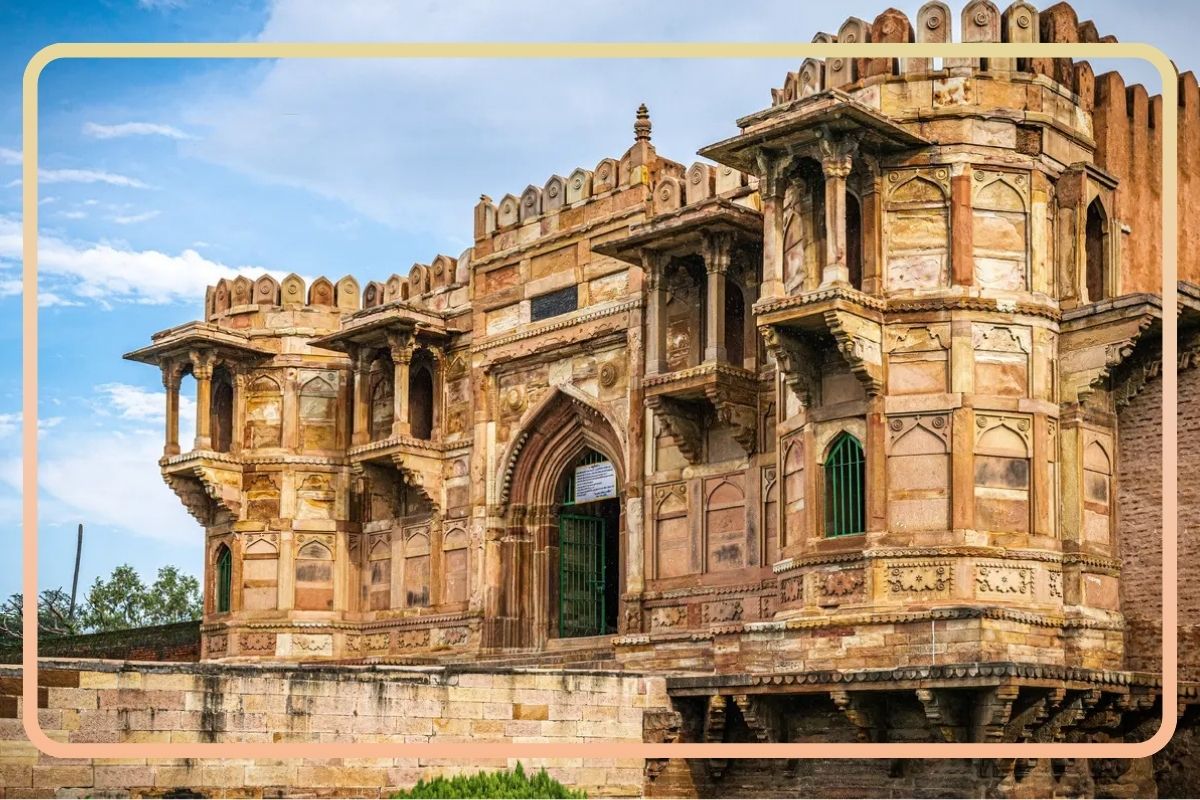
By the 13th century, Makhdoom Yahya Maneri arrived, born into the lineage of these early pioneers. His tomb, the grand Badi Dargah, rose beside a mosque just 29 kilometres from modern Patna. Yahya left this world in 1323, but his teachings wove themselves permanently into Bihar’s cultural fabric. Stories passed down through generations describe how his mere glance could calm raging storms, and how his words could transform enemies into brothers.
The Master Who Meditated in Mountains
Imagine the dense forests surrounding Rajgir, ancient trees sheltering Buddhist ruins and Hindu temples. Here, a young man named Sharfuddin Ahmed bin Yahya spent thirty years in solitary contemplation, preparing his soul for a sacred mission. Born in 1263, he descended from Imam Muhammad Taj Faqih, who had assisted Hazrat Momin in his historic victory generations earlier. The world would later know him as Makhdoom-ul-Mulk Bihari, a beacon of the Firdausia Sufi tradition. He studied under the guidance of Najeebuddin Firdausi, absorbing centuries of spiritual wisdom.
Sultan Muhammad Tughlaq recognised his extraordinary gifts and built a special khanqah in Bihar Sharif, where Sharfuddin established his teaching centre. His sermons and letters, carefully preserved over the centuries, continue to guide spiritual seekers even today. The Badi Dargah in Maner serves as his eternal resting place, though calling it merely a tomb fails to capture its essence. This sanctuary, nestled beside a mosque, radiates an atmosphere that visitors describe as transformative. Devotees arrive carrying burdens of grief, illness, and despair, departing with inexplicable lightness in their hearts.
The legends surrounding him defy simple explanation: wild animals reportedly became docile in his presence, and he supposedly fed hundreds from pots that should have been empty. When he departed in 1381, spiritual leadership passed to his relatives, such as Kamaluddin Yahya, ensuring that Maner’s traditions remained strong. The current restoration efforts, part of Bihar’s 2025 heritage initiative, bring fresh attention to Badi Dargah’s elegant architecture while preserving its timeless spiritual atmosphere.
A Descendant’s Luminous Legacy
The 17th century brought another luminary to Maner’s sacred soil. Hazrat Shah Daulat Maneri, eighth in descent from Sheikh Kamaluddin Yahya, lived during the reigns of Akbar and Jahangir. His shrine, known as Chhoti Dargah, represents Mughal architectural mastery, constructed entirely from golden Chunar sandstone. When Shah Daulat passed away in 1608, his devoted disciple Ibrahim Khan, then serving as Bihar’s governor, commissioned this magnificent memorial. Completed in 1616, the structure features graceful cupolas resting on twelve pillars, windows carved with delicate lattice patterns reminiscent of Fatehpur Sikri’s finest work.
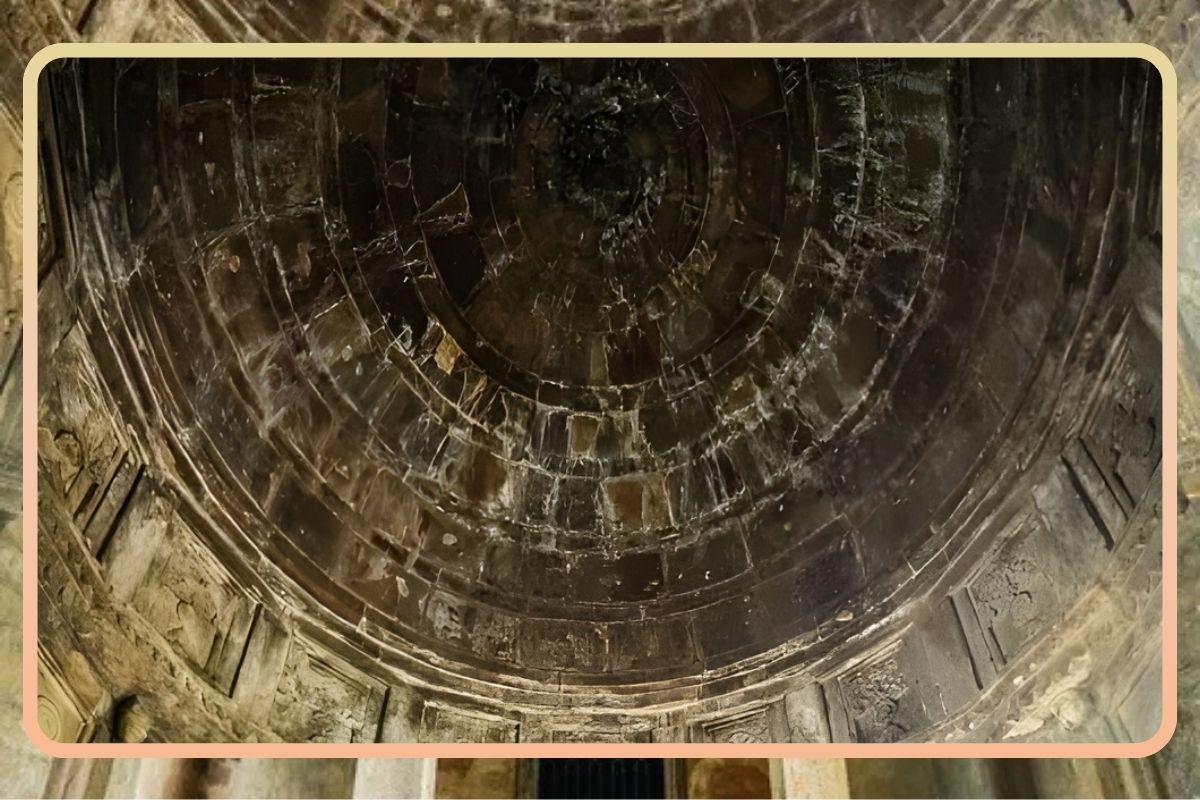
Below the main chamber lies an underground meditation cell where Shah Daulat spent countless hours in spiritual absorption, now protected by iron gates that guard its mysteries. Historical records mention visits from the most significant figures of the Mughal court: Raja Man Singh, the legendary musician Tansen, Emperor Babur himself, and later Shah Jahan. These powerful men left precious gifts at the shrine, including a cap belonging to the Prophet and strands of blessed hair, treasures now housed alongside rare Mughal manuscripts.
The stories of miracles continue: childless women conceiving after sincere supplication, families torn by hatred finding reconciliation at his tomb. Shah Daulat commanded no armies, yet emperors bowed before him, recognising that his power sprang from something far greater than worldly authority. The tomb’s dome carries Quranic verses carved with exquisite precision, each letter a meditation on eternity. Today’s development plans include improved visitor facilities, enhanced museum displays, and the preservation of the intricate engravings that make Chhoti Dargah an architectural treasure.
Where Past Meets Present
Walk through Maner Sharif’s gates today and witness transformation in action. The 2025 beautification project, funded with ₹99.98 lakh from the Bihar State Tourism Development Corporation, has illuminated the shrines with tasteful lighting and installed informative displays for curious visitors. Plans for a dedicated Sufi museum promise to deepen understanding of this rich tradition. The annual Urs celebrations explode into joyous chaos as thousands gather, their religious identities dissolving in shared devotion.
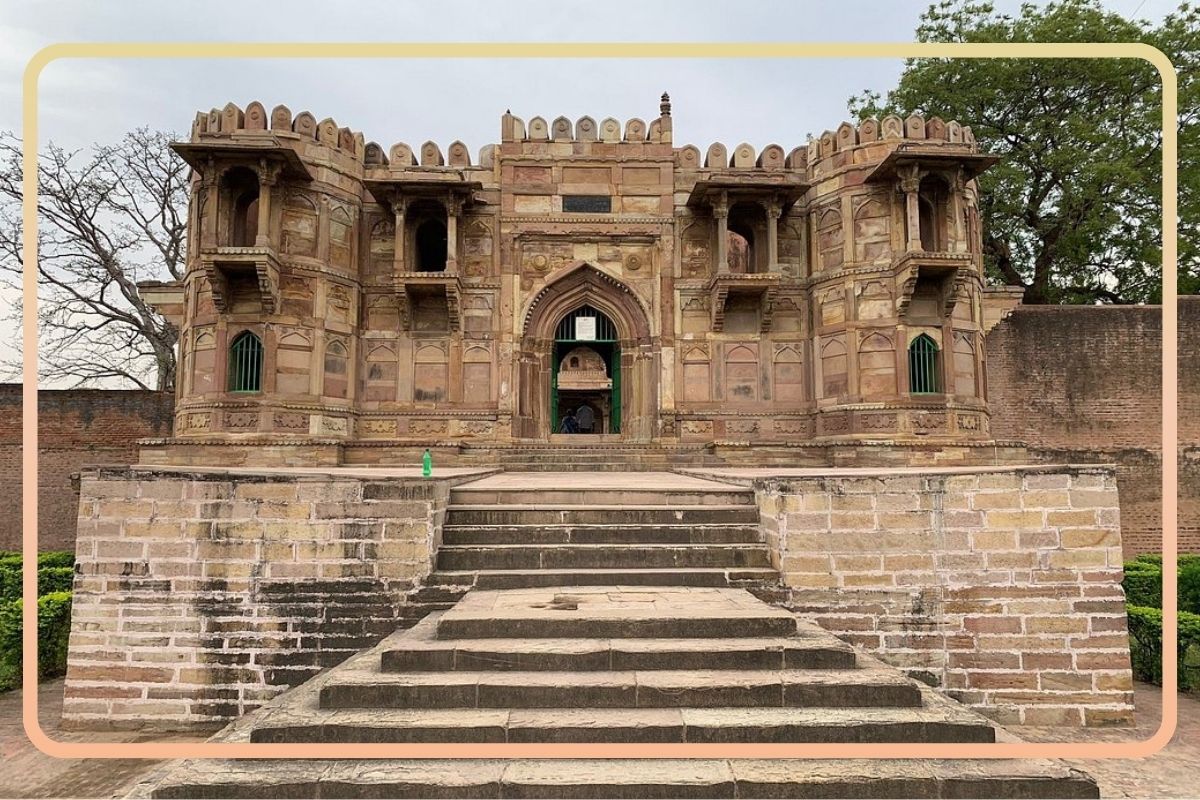
Hindu and Muslim voices blend in qawwali performances that stretch deep into warm Bihar nights, creating harmony that feels increasingly precious in our divided times. The Ganga flows nearby, and Patna’s urban noise fades to a distant hum just 24 kilometres away; yet stepping into these sacred precincts creates a complete separation from ordinary concerns. Shah Daulat’s underground chamber maintains its mysterious stillness while Yahya’s pillars stand as patient witnesses to countless prayers. Annual visitor numbers reach into the hundreds of thousands, mixing spiritual pilgrims with heritage tourists, tears of devotion with cameras clicking architectural details. Local legends insist no army that sought blessings here ever faced defeat, protected by the dervishes’ continuing grace.
Bihar Tourism promotes Maner Sharif as a spiritual destination comparable to Ajmer, yet more accessible, with its intricate stone carvings and soaring minarets offering visual splendour alongside spiritual depth. Political changes sweep through, as always, elections come and go, but the saints’ message of unity remains constant, outlasting all temporary divisions. Young people increasingly discover these spaces, finding respite from digital chaos in centuries-old peace. Maner Sharif stands not as frozen history but as living invitation: heal the fractures within and between us, just as those first dervishes healed an entire region through love alone.
Also Read: Tomb of Sher Shah Suri: An Emperor’s Dream Palace Floating On Water
You can connect with DNN24 on Facebook, Twitter, and Instagram and subscribe to our YouTube channel.