


When Mumtaz Askari was born on July 31, 1947, nobody imagined that this girl from a struggling family would one day become one of Indian cinema’s most celebrated actresses. Her mother, Sardar Begum Habib Agha (known as Naaz), and her aunt Nilofar worked as junior artists and extras in films, barely earning enough to feed the family. Young Mumtaz grew up watching their daily struggles, seeing how they fought for every rupee, every meal, every opportunity. The film sets became her playground, but she made herself a promise that would change everything.
She vowed never to enter the industry as a junior artist. If she entered films, it would be as a heroine or not at all. This was not just ambition speaking. It was survival instinct mixed with fierce determination. The poverty she witnessed at home left deep marks on her mind. She saw her mother and aunt return home exhausted, their faces showing the strain of standing for hours as nameless faces in crowd scenes. That life was not for her. She wanted more, deserved more, and was willing to fight for it with everything she had.
The Stunt Film Years: Building a Foundation Nobody Wanted
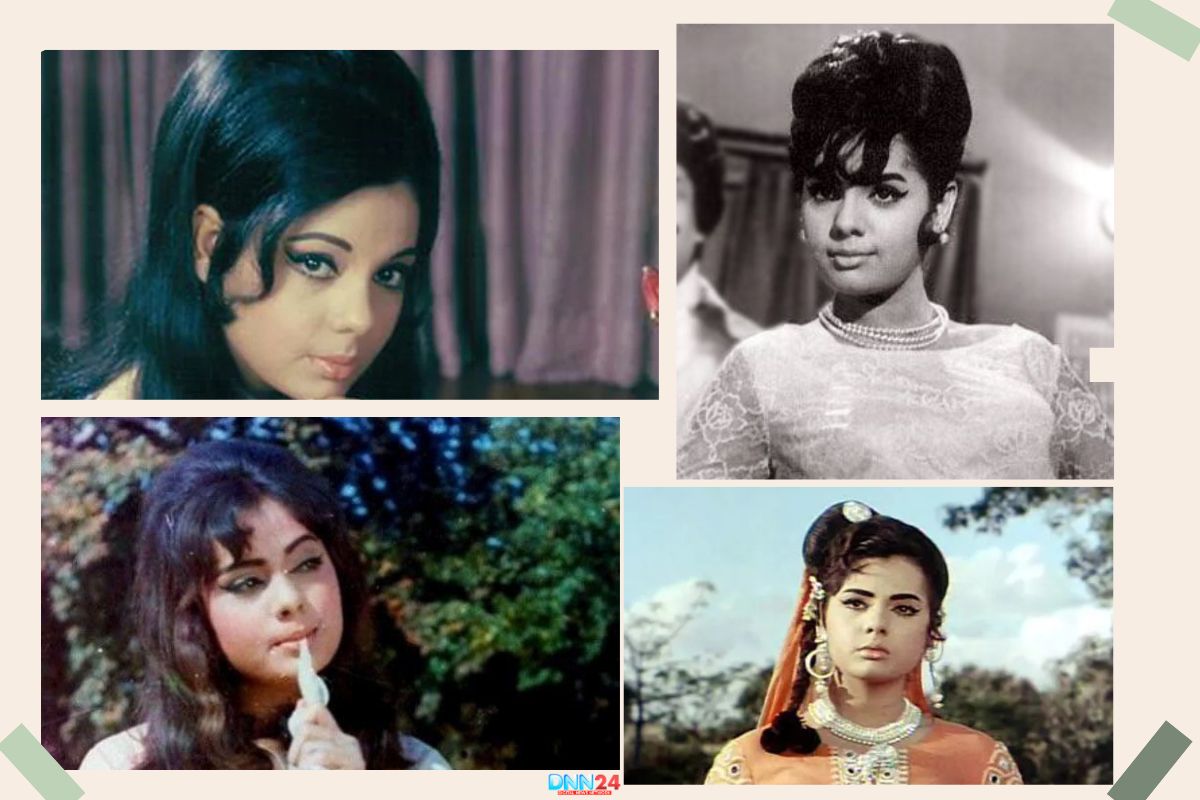
Mumtaz entered the film industry in the early 1960s, but the path was nothing like she had imagined. Her first major opportunities came through stunt films, particularly opposite Dara Singh, the wrestling champion turned actor. Films like Faulad, Veer Bhim Sen, and Daaku Mangal Singh gave her the title of heroine, but they also gave her a label she could not shake off easily. The industry began seeing her as the stunt film heroine, someone who could throw punches and perform action sequences but perhaps nothing more sophisticated.
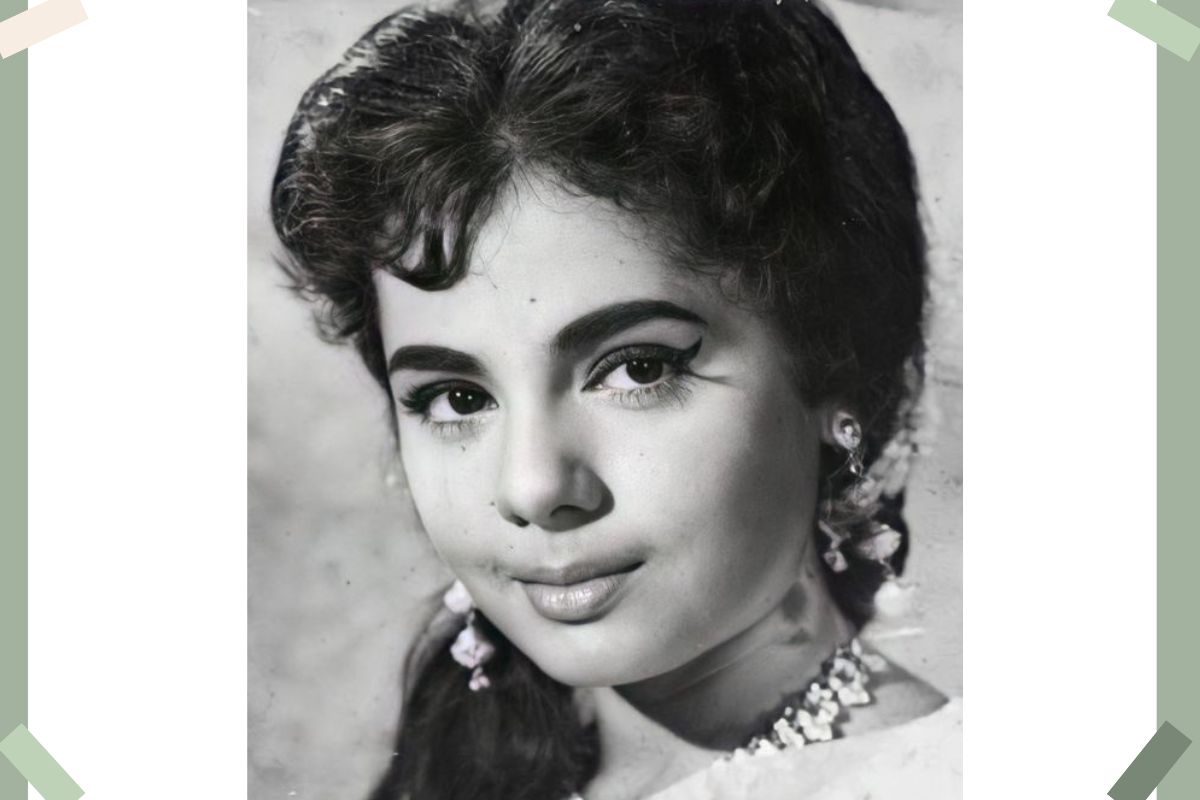
She worked in sixteen such films, building a reputation for being professional and reliable. Her family’s financial situation improved slightly. The junior artist’s daughter had become a heroine, after all. But Mumtaz knew this was far from her destination. The problem with being successful in stunt films was simple. Directors and producers of mainstream cinema refused to consider her for their projects.
They believed she belonged to a different category altogether, incapable of handling emotional scenes or romantic roles that required subtlety. This typecasting frustrated her deeply. She had proven she could be a heroine, but the industry refused to see beyond the narrow box they had placed her in. The walls seemed impossible to break.
When Dilip Kumar Said Yes: The Decision That Changed Everything
The year 1967 brought the breakthrough Mumtaz had been desperately waiting for. Dilip Kumar, the most respected actor in Indian cinema, agreed to work with her in Ram Aur Shyam. This decision shocked everyone in the industry. When no leading hero was willing to be seen with the stunt film heroine, the tragedy king himself gave her the stamp of approval she needed.
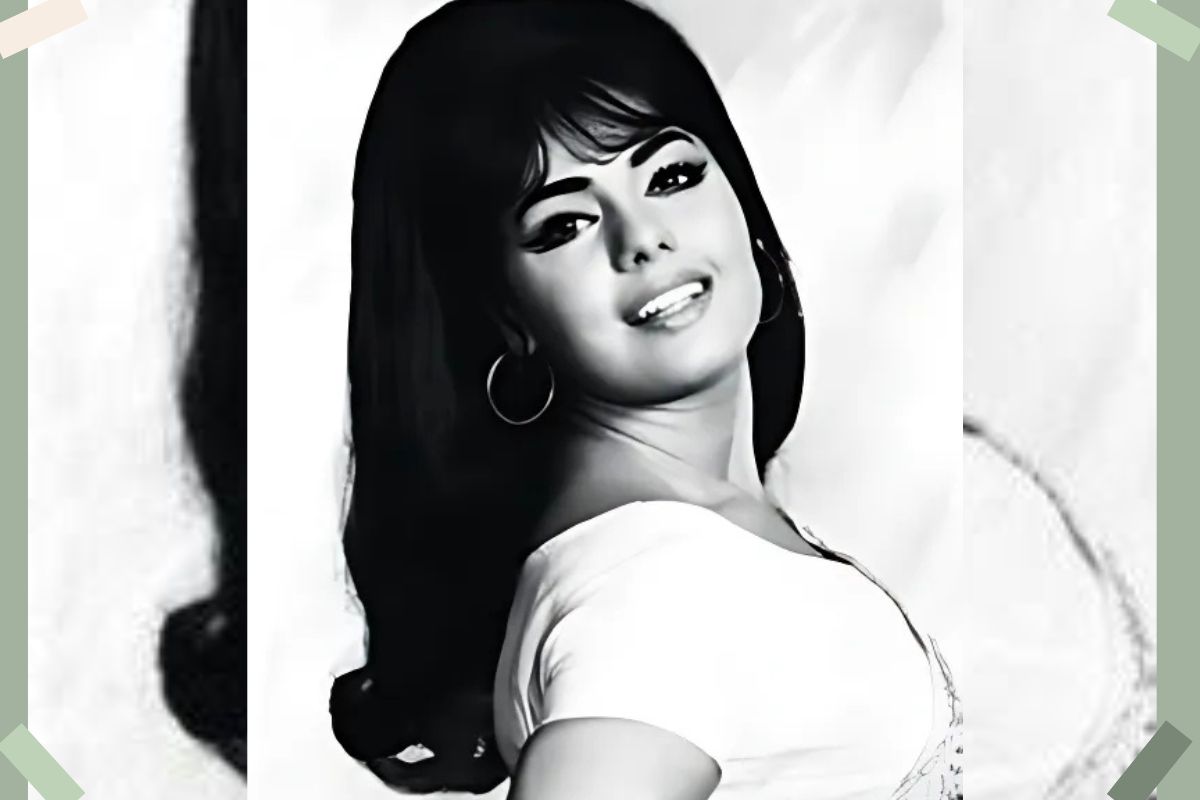
It was interesting how the letter ‘D’ kept appearing in her career. First came Dara Singh, who gave her initial opportunities in stunt films. Then came Dilip Kumar, who opened the gates to mainstream cinema. His faith in her talent was the validation the entire industry had denied her until that moment. Ram Aur Shyam became a success, and suddenly, Mumtaz was no longer just the action heroine. She had proved she could handle dramatic scenes, express emotions convincingly, and hold her own opposite the biggest star in Bollywood.
Directors who had previously dismissed her without a second thought began reconsidering their stance. The same woman they had written off was now acceptable, even desirable, for their projects. This transformation did not happen overnight, but Dilip Kumar’s decision set the wheels in motion, creating opportunities that had seemed impossible just months earlier.
The Sweet Revenge: When Rejection Turned Into Demand
Life has a way of bringing things full circle, and Mumtaz’s career proved this beautifully. The same heroes who had refused to work with her because of her stunt film background began insisting on having her as their co-star. The irony was delicious. Shashi Kapoor had initially rejected Sachcha Jhootha when he learned Mumtaz was cast as the heroine. He did not want to be associated with someone from stunt films.
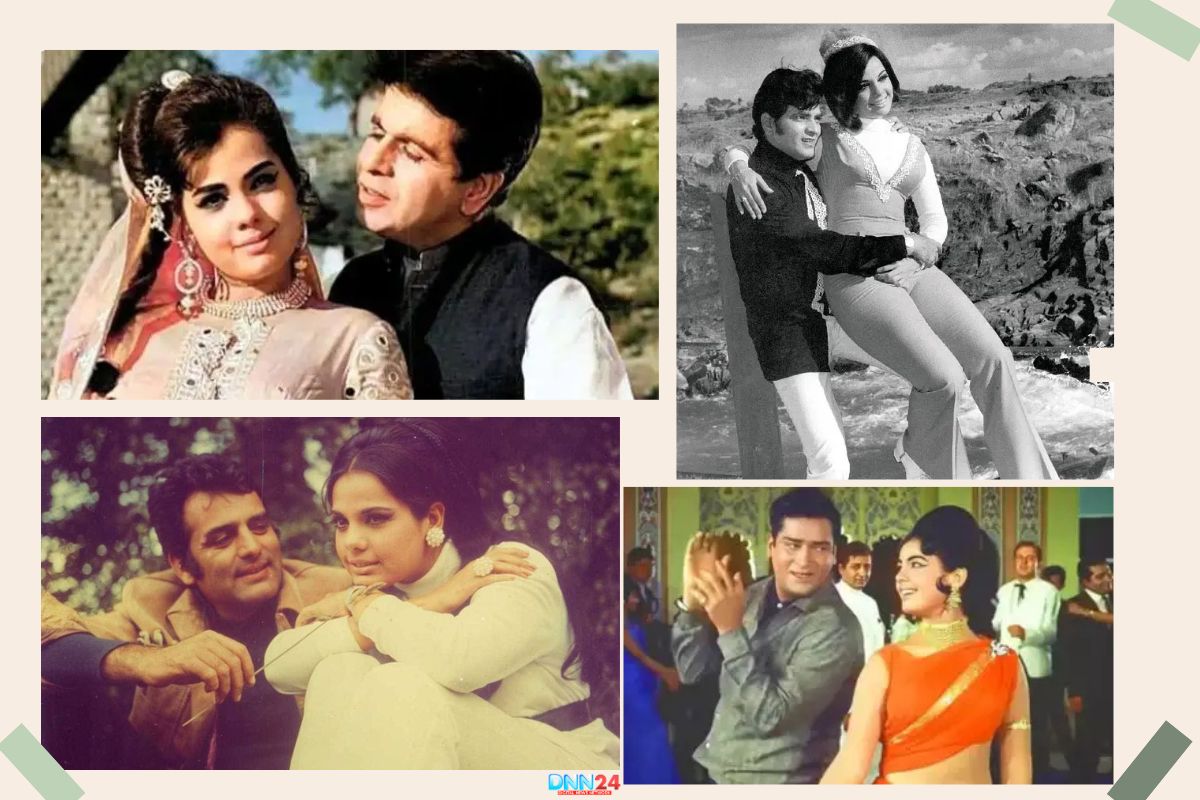
But after seeing her success, his tune changed completely. When Chor Machaye Shor was being planned, Shashi Kapoor demanded that Mumtaz be cast opposite him. By then, she was considering retirement, and producers had to convince her to postpone those plans just to accommodate his demand. The reversal was complete and satisfying. Dharmendra, another major star who had earlier refused to work with her, went on to make two superhit films with Mumtaz.
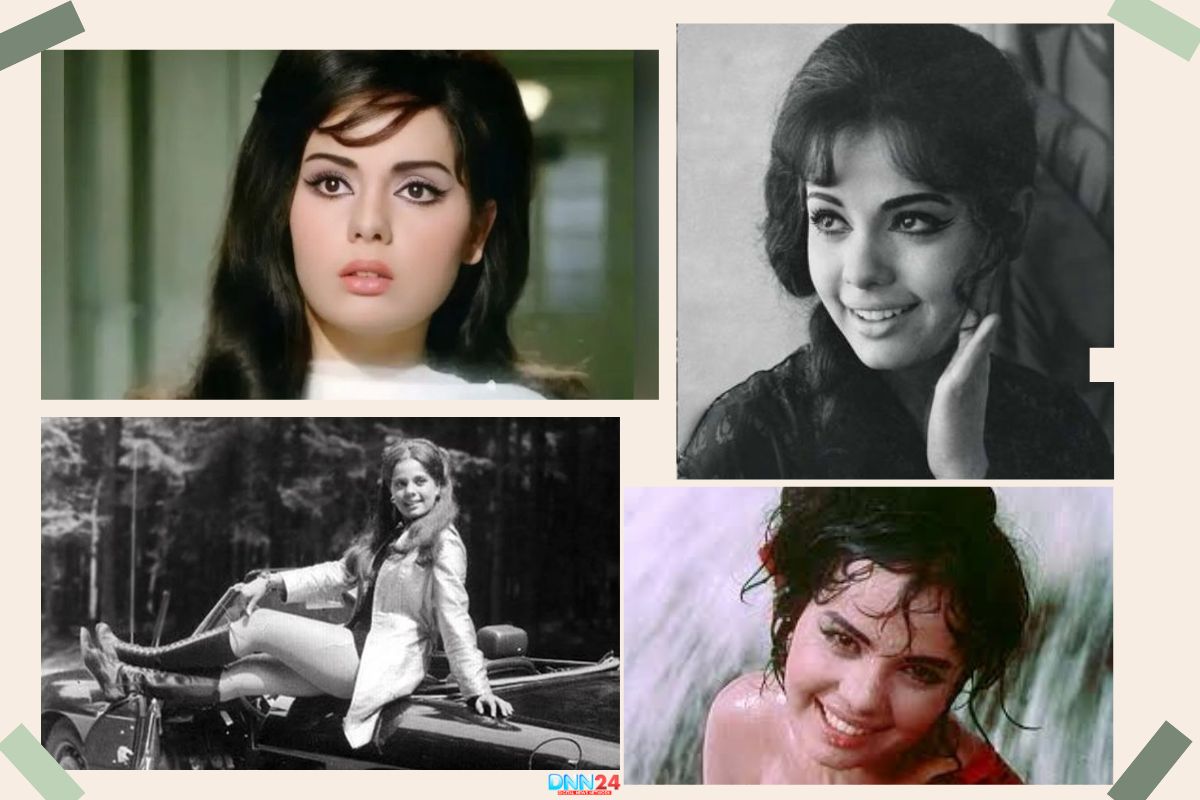
Loafer and Jheel Ke Us Paar were not just commercially successful but also showcased her range as an actress. The music by Laxmikant-Pyarelal and lyrics by Anand Bakshi became chart-toppers, and audiences loved the chemistry between the lead pair. This transformation from rejected actress to demanded heroine was the sweetest vindication Mumtaz could have asked for. It proved that talent, when combined with persistence, eventually forces the world to pay attention.
Love Against All Odds: The Marriage That Defied Expectations
At the peak of her career, when film offers were pouring in and her star was shining brightest, Mumtaz made a decision that surprised everyone. She fell in love with Mayur Madhvani, a businessman based in Africa, and chose to follow her heart despite strong opposition from both families. The couple eloped and got married, prioritizing their love over family approval and societal expectations. This was not an easy choice. Both families had reservations about the match.
The different backgrounds, the religious considerations, and the uncertainties surrounding such a union made everyone nervous. But Mumtaz had always been someone who made bold choices, and this was perhaps her boldest yet. After marriage, she gradually reduced her film commitments. The woman who had fought so hard to establish herself in the industry was now choosing domestic life over cinematic glory.
She focused on building a family, had children, and seemed content with the peaceful existence away from studio lights and camera flashes. For someone who had known poverty and struggle intimately, this stability must have felt precious. But life was preparing another test for her, one that would require every ounce of strength she possessed. Just when everything seemed perfect, she received a diagnosis that changes lives forever. Cancer. The word itself strikes fear, but Mumtaz was about to prove that she was a fighter both on screen and off it.
The Battle Nobody Saw Coming: Defeating Cancer With Courage
Mumtaz’s fight against cancer became her most important performance, though no cameras recorded it and no audience watched from theatre seats. When the disease struck, she was enjoying married life and motherhood, seemingly far removed from the struggles of her earlier years. But cancer respects no one, and the diagnosis came as a devastating blow to her and her family. The same determination that had helped her rise from a junior artist’s daughter to a leading lady now became her weapon against the disease.
She refused to surrender to fear or despair. With her family’s support, prayers from countless well-wishers, and her own incredible willpower, she fought back against cancer with everything she had. The treatment was difficult, the journey exhausting, but Mumtaz never lost hope. She had overcome poverty, rejection, and typecasting in her professional life. Now she would overcome this too. Her recovery was nothing short of miraculous.
The disease that threatens millions was defeated by her indomitable spirit and positive outlook on life. This victory became an inspiration for countless people facing similar battles. Cancer patients and their families found hope in her story, proof that determination combined with proper treatment and emotional support can overcome even the most frightening diagnoses. Mumtaz had won another battle, perhaps her most important one yet.
A Legacy Built on Refusing to Give Up
Mumtaz’s journey reads like a film script, but it was her real life. From a struggling childhood in a family that barely made ends meet to becoming one of Bollywood’s most successful heroines, she rewrote her destiny through sheer willpower. Her story teaches valuable lessons about persistence, courage, and the ability to reinvent oneself when circumstances demand it. She worked across different phases of Hindi cinema, adapting to changing trends and audience tastes.
The stunt films of the early 1960s gave way to romantic dramas of the 1970s, and she excelled in both. Her collaborations with legendary actors like Dilip Kumar, Rajesh Khanna, Shashi Kapoor, and Dharmendra produced memorable films that audiences still cherish. Movies like Sachcha Jhootha, Chor Machaye Shor, and Loafer remain part of Bollywood’s golden era. Beyond her professional achievements, what makes Mumtaz’s story truly remarkable is her personal journey.
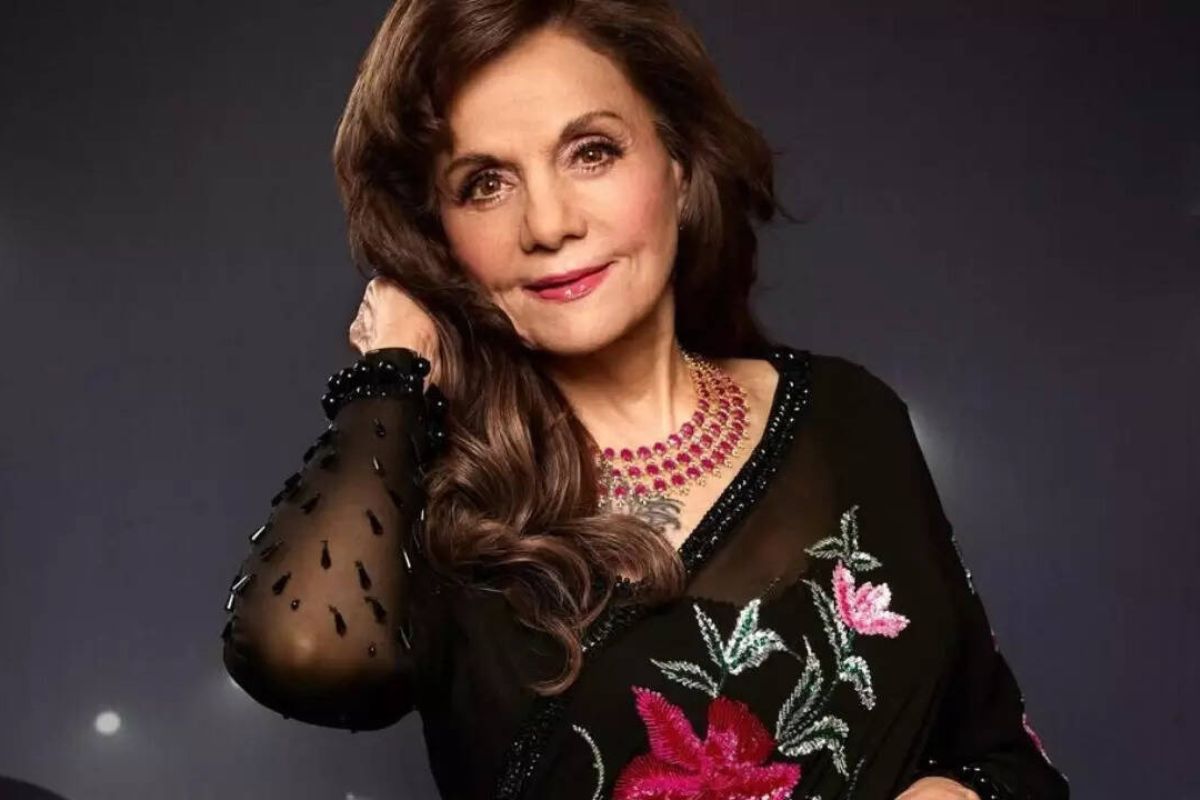
The love marriage that defied conventions, the battle with cancer that she won against all odds, and the grace with which she handled both success and adversity make her more than just an actress. She became a symbol of strength for women everywhere. Today, when we remember Mumtaz, we see someone who refused to let circumstances define her limits.
She broke stereotypes, challenged industry prejudices, and won every battle that life presented. Her story continues inspiring new generations, proving that with belief in oneself and willingness to work hard, dreams do come true. The junior artist’s daughter became a queen, not through luck or privilege, but through determination that refused to accept defeat.
Also Read: Sadhana Shivdasani: The Fashion Icon Who Gifted Bollywood Its Most Famous Hairstyle
You can connect with DNN24 on Facebook, Twitter, and Instagram and subscribe to our YouTube channel.