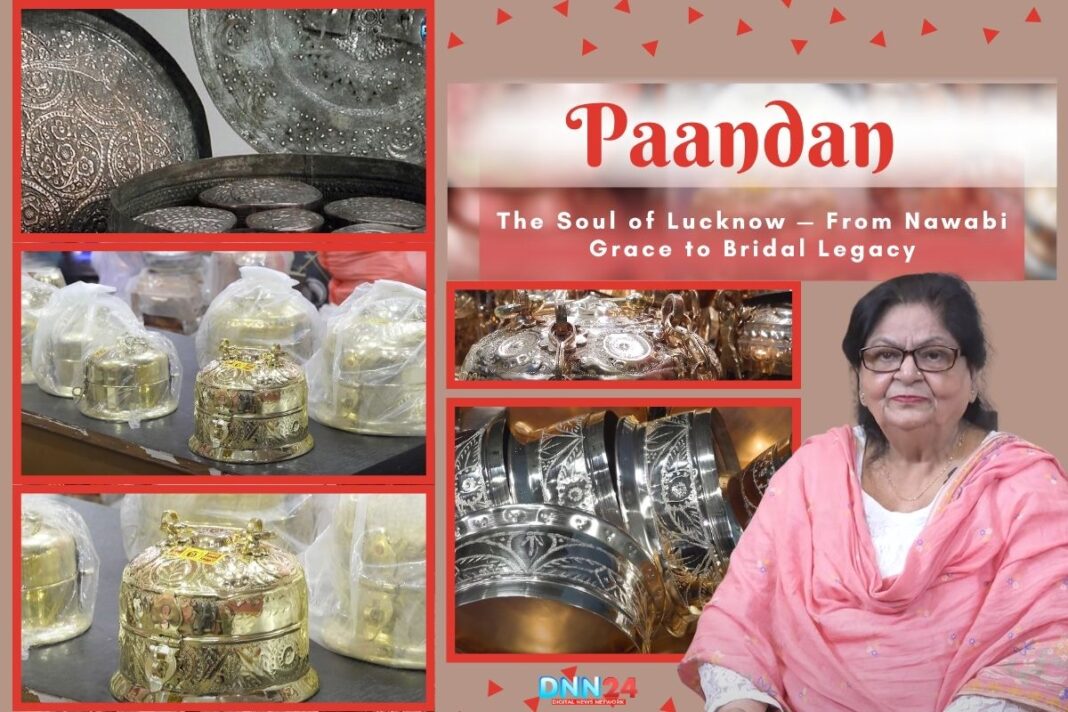

Paandan: More than a box, it’s Lucknow’s royal soul. From Nawab’s cherished delight to a bride’s sacred gift, this exquisite silver betel-leaf holder embodies the city’s timeless sophistication and warm hospitality, a living legacy. Imagine: You enter a majestic Lucknowi haveli, and what you see stuck on the center table, sitting so purposely, is a silver box. This isn’t just any ordinary container – it’s a paandan, the crown jewel of Awadhi hospitality. For centuries, these exquisite betel leaf boxes have been more than mere utensils; they’re storytellers of Lucknow’s rich cultural tapestry.
These silver treasures have many generations attached to them in the bylanes of the old Lucknow, in which the scent of the pan still carries the air. For some, it’s a mother’s memory; for others, it’s the most beloved wedding gift. The paandan isn’t just about storing pan; it’s about preserving the essence of Ganga-Jamuni tehzeeb that makes Lucknow the cultural heart of India.
All those elaborate patterns carved to its surface tell a history of fine taste and a sense of art, which the Nawabs were renowned through. When you hold a traditional Lucknowi paandan, you’re literally holding centuries of tradition, love, and craftsmanship in your hands.
The Mughal and Ethnical Upbringing Historical Origins
The story of Lucknow’s paandans begins in the 18th century, during the golden era of the Nawabs of Awadh. These weren’t just rulers; they were patrons of art, poetry, and refined living. The Mughal fingerprint on such betel boxes is hard to miss- the subtle flower designs to the riot of colors jumping out of geometric patterns on those boxes.
The Nawabs themselves were passionate about the pan, and their paandans reflected this obsession. In the royal courts, serving pan wasn’t just hospitality; it was an art form. The Nawabs used to make their pan themselves in front of their guests and this is a sign of how humble and friendly Nawabs were. Their custom was serving pan in gatherings.
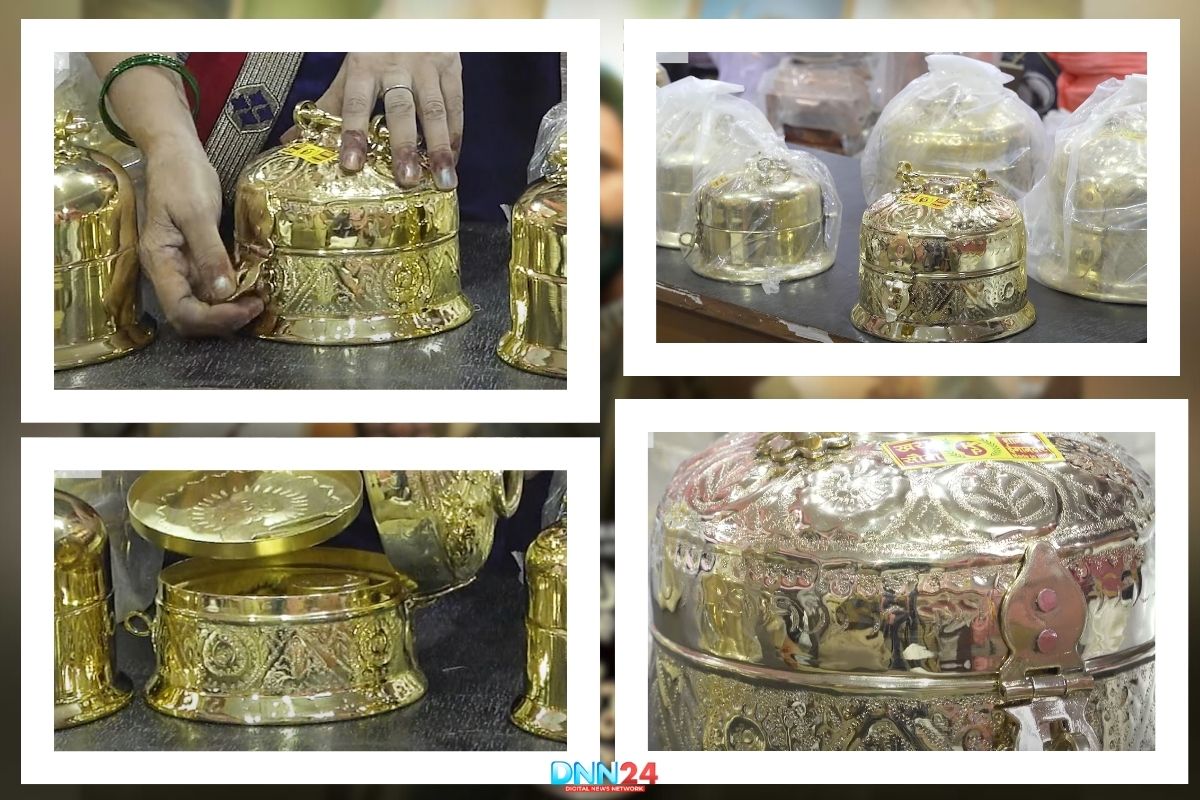
They were crafted by master artisans who understood that they weren’t just making containers, but creating pieces of functional art. The stories were carved into every piece about love, success, and elegant way of life of Awadhi aristocracy. The influence of Mughal aesthetics is evident in every curve and pattern, making these paandans miniature masterpieces that bridge the gap between utility and beauty, between tradition and artistic expression.
Nawabi Society and Symbolism
In Nawabi society, the paandan was far more than a storage box – it was a symbol of status, refinement, and cultural sophistication. The size, material, and craftsmanship of one’s paandan spoke volumes about their social standing and appreciation for finer things in life. Silver paandans were particularly prized, their lustrous surface reflecting not just light, but the owner’s prestige.
The paandan also represented the feminine grace and creativity of Lucknowi women. They would personally select and arrange the various ingredients – the betel leaves, katha (catechu), chuna (lime), cardamom, and fragrant spices – with the same care an artist shows while choosing colours for a masterpiece. The paandan wasn’t just a utensil but also a part of Lucknowi women’s passion and creative abilities.

These women took immense pride in their paandans, often commissioning unique designs that reflected their taste. In affluent Muslim families, husbands would give their wives ‘kharch-e-paandan’ (paandan allowance), recognizing the importance of maintaining this tradition. The paandan thus became a symbol of marital respect, feminine creativity, and the sophisticated lifestyle that Lucknow was famous for across the subcontinent.
Paandans in Wedding Traditions
Step into any traditional Lucknowi wedding, and you’ll witness the paandan playing a starring role in the ceremonies. These aren’t just gifts; they’re blessings wrapped in silver, carrying the hopes and dreams of generations. For brides, receiving a paandan is like receiving a piece of family heritage, a tangible connection to the women who came before her.
The tradition runs deep – no bride leaves for her sasural (in-laws’ house) without a beautifully crafted paandan in her trousseau. Even today, no bride goes to her in-laws without paandans, plates, or copper containers. These wedding paandans are often more elaborate than everyday ones, featuring intricate engravings of flowers, paisleys, and sometimes even the couple’s names.

The emotional significance is profound – mothers pass down their cherished paandans to daughters, creating an unbroken chain of love and tradition. During the wedding ceremonies, the paandan serves as a bridge between families, with the bride’s side presenting elaborately prepared pan to the groom’s relatives. This is a symbol of the sweet start of new relationships and passed through cultures. The paandan thus becomes a keeper of memories, holding not just betel leaves but also the essence of family bonds and marital bliss.
The Beauty Secret: Gulkand & Complexion
Here’s where the story gets interesting – Lucknowi paandans weren’t just about taste; they were beauty secrets disguised as tradition! The women of Lucknow had discovered what modern beauty experts are just catching up with: the incredible benefits of the ingredients stored in their paandans. The gulkand (rose petal preserve), fennel seeds, and various aromatic spices weren’t just flavor enhancers; they were natural beauty treatments.
Pan made of these ingredients was a regular intake with the view that it would brighten up women and sustain their skin. It’s said that men from wealthy Muslim families used to give their women paandan allowances. Fennel seeds helped digestion, cardamom helped keep the breath sweet, and rose ingredients of gulkand were inculcated as natural body coolants.
It is an interesting feature of the Indian culture also observed even by a British writer of the colonial period that he observed how Indians took a combination of red and white substances in leaves which they said helped digestion whenever they took it. The paandan thus became a repository of ancient wellness wisdom, combining taste, health, and beauty in one elegant silver box. This total experience of a healthy state dressed in the form of tradition and delivered with affection conveys the elegance of knowledge about health that Awadhi culture displayed.
The modern-day Heirloom and Craftsmanship Dilemma
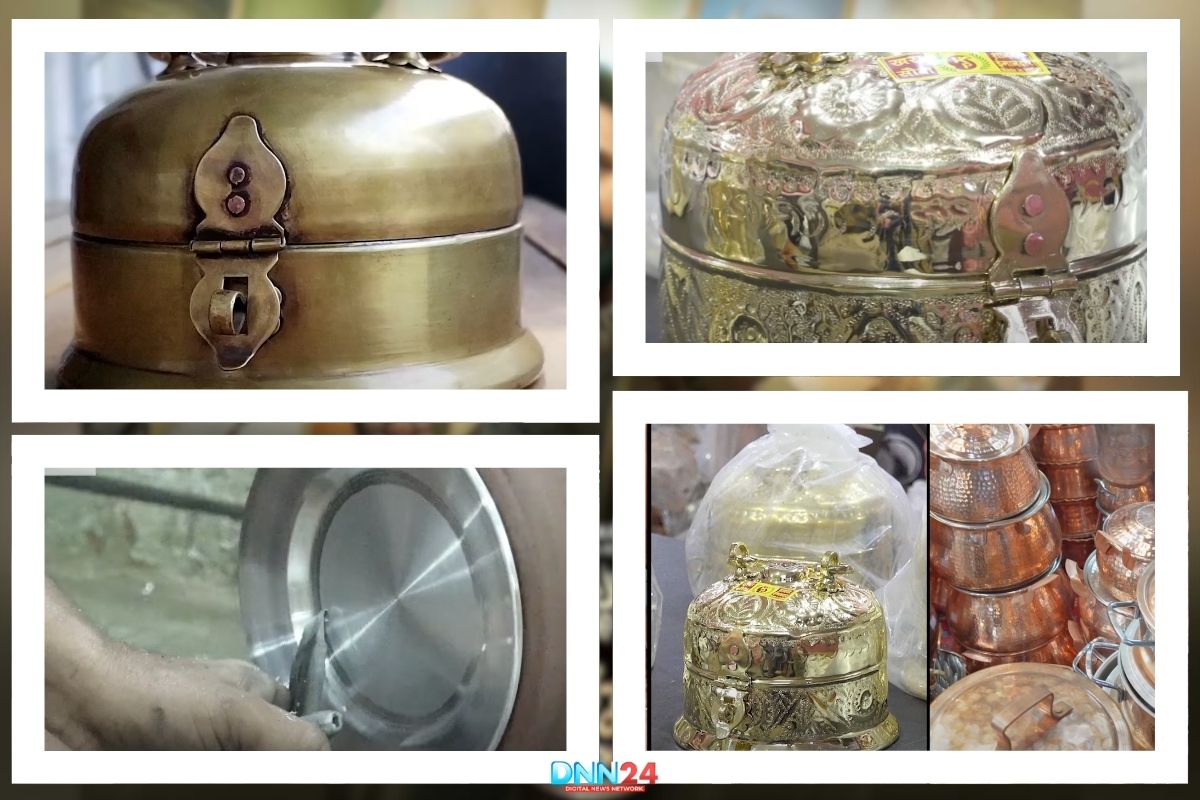
Today’s Lucknow tells a bittersweet story of paandans – while they remain treasured family heirlooms, the craft faces unprecedented challenges. Walk through the narrow lanes of old Lucknow, and you’ll still find master artisans working with the same dedication their forefathers showed. Still, their numbers are dwindling, and their traditional skills are fighting against time and modernity.
The contemporary paandan serves more as a decorative piece than a functional item in most homes. Most of these people possess them in Lucknow to use them as house ornaments to promote beauty. The artisans are going through several problems: the entry of machine-made products in the market, dwindled demands on hand-crafted goods, and the unavailability of youngsters willing to learn complex art.
Those who have mastered this stated that we were initiated in this work at the age of 10-12, and here we were, complete master craftsmen. These are hands ready to make anything, whether it is a simple design or an intricate flower design, only that they require help to survive. This dying art may be retained through government initiatives and also through the support of the patrons. The challenge isn’t just economic; it’s cultural – how do we keep alive a tradition that defined an entire civilization’s approach to hospitality, beauty, and refined living?
The paandan of Lucknow isn’t just a betel box; it’s a silver-wrapped piece of history, a testament to the city’s cultural richness, and a bridge between past and present. As you encounter these beautiful artifacts, remember – you’re not just looking at craftsmanship; you’re witnessing the soul of Awadhi civilization.
Also Read: Suhail Muhammad Khan: The ‘Silent’ Artist from Kashmir Who Made India Proud Globally
You can connect with DNN24 on Facebook, Twitter, and Instagram and subscribe to our YouTube channel.