

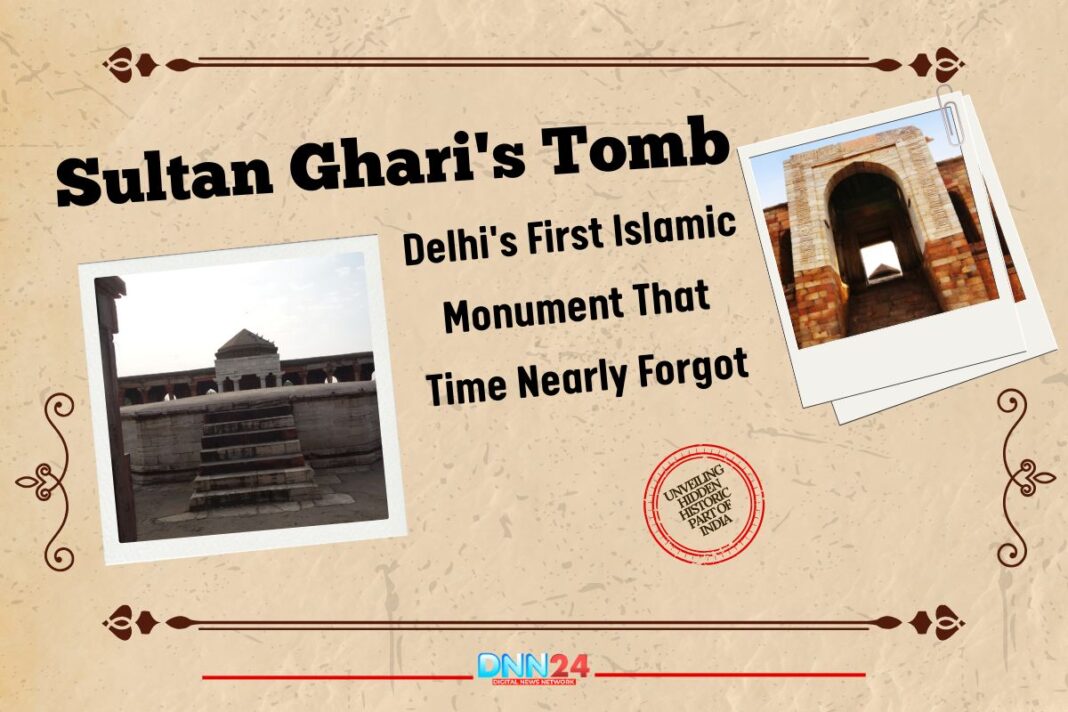

Tucked away in the Nangal Dewat forest near Vasant Kunj lies a monument that most Delhiites have never heard of. Sultan Ghari’s Tomb, built in 1231 CE, holds the distinction of being India’s very first Islamic mausoleum. Sultan Iltutmish constructed this tomb for his son, Prince Nasiruddin Mahmud, who died at a young age. The prince was known throughout the kingdom for his gentle nature and spiritual wisdom. When he passed away, the Sultan’s heartbreak found expression in stone and marble. The name “Ghari” means cave in Persian, and that is precisely what Iltutmish created: an underground crypt where his son’s body would rest forever.
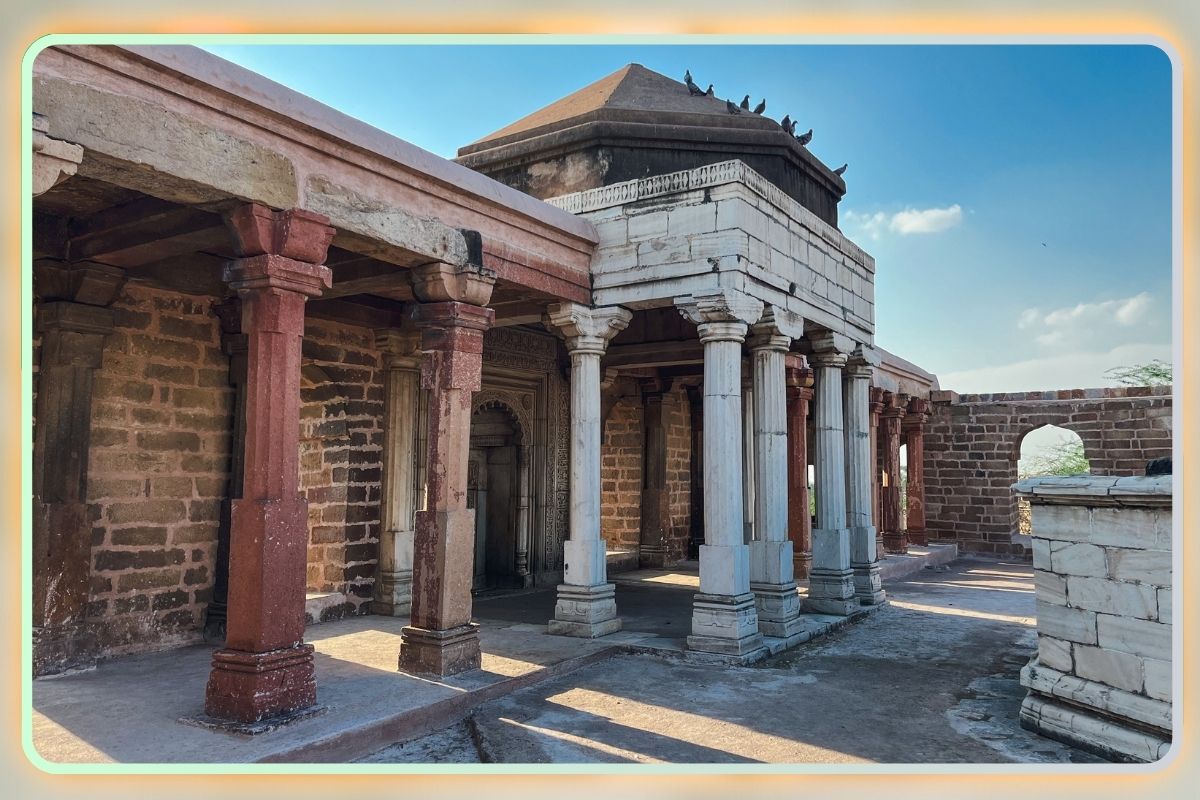
Unlike the massive domes and ornate gardens that would come to define Mughal tombs centuries later, Sultan Ghari remains understated and straightforward. No towering minarets or intricate calligraphy are competing for attention. Instead, the monument speaks through its restraint. Walking through its ancient gateway feels like stepping into a different century altogether, where grief was private and monuments were built to remember rather than impress. The tomb still carries the weight of a father’s sorrow, preserved across eight centuries in Delhi quartzite and white marble.
Architecture That Tells Two Stories
The tomb’s design reflects a fascinating moment in Indian history when two architectural traditions began to blend. Built during the Mamluk Dynasty, also called the Slave Dynasty, which ruled Delhi between 1206 and 1290 CE, the structure looks more like a fortress than a traditional tomb. It has a square plan with octagonal bastions at each corner, giving it a defensive appearance.
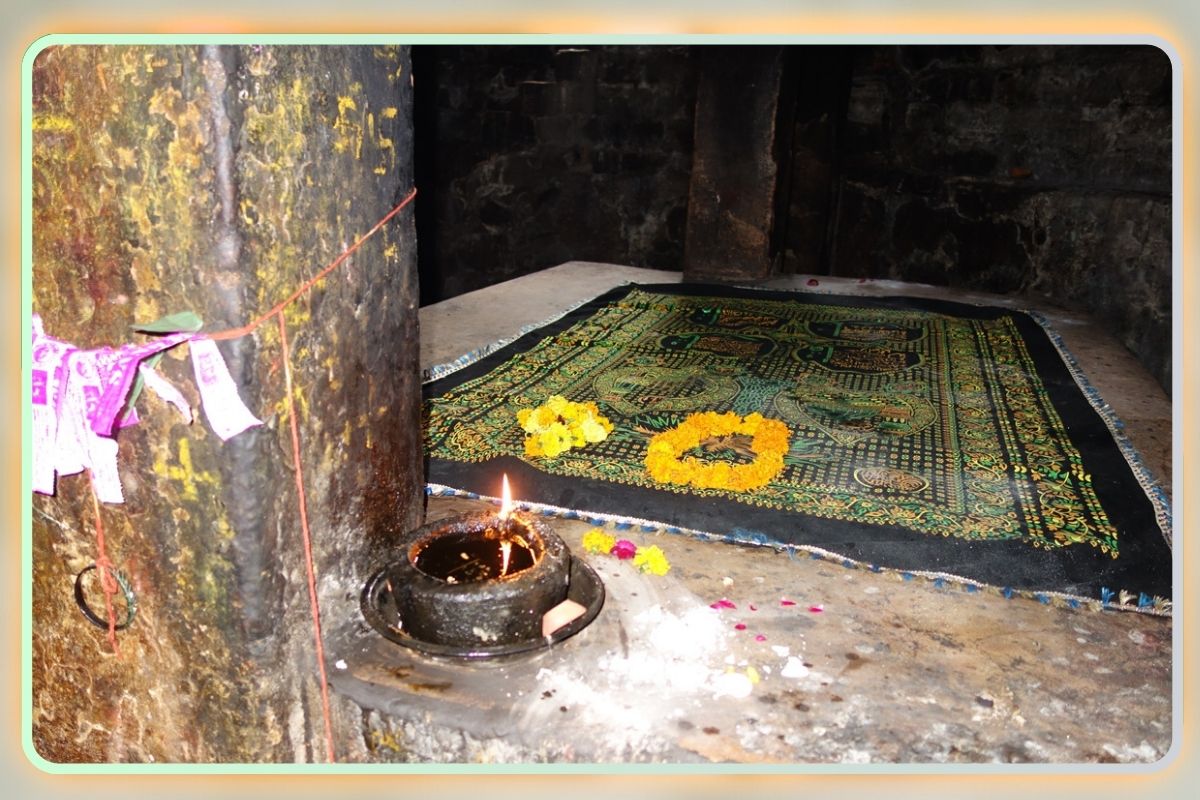
But the real surprise waits below. Visitors must walk down narrow stone steps to reach the underground chamber where three graves lie side by side. The central grave belongs to Prince Nasiruddin Mahmud. The air in the crypt feels heavy and calm, untouched by the Delhi heat above. What makes this tomb truly remarkable is how it reuses materials from an earlier Hindu temple that once stood on this spot.

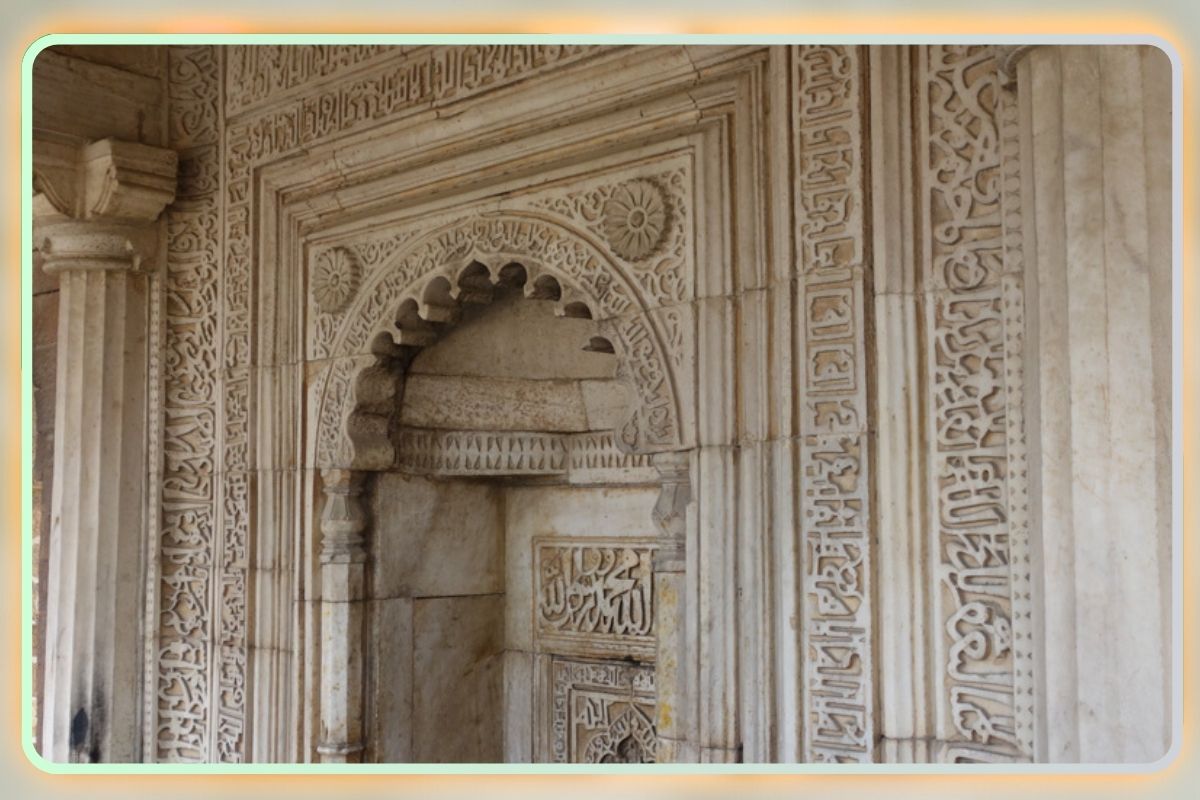
The temple belonged to the Pratihara period, which flourished between 700 and 1100 CE. Many of the carved columns and decorative lintels you see today actually came from that temple. Medieval artisans did not destroy these older pieces but incorporated them into the new Islamic structure. Hindu motifs sit comfortably beside Islamic arches, creating a visual conversation between two faiths. Later, Sultan Firuz Shah Tughluq carried out repairs in the 14th century, adding Turkish and Afghan patterns to the prayer niches and restoring the marble façade. The tomb stands as proof that Indian architecture has always been about adaptation and respect, not rejection.
A Sacred Space for All
Over the centuries, something unexpected happened at Sultan Ghari. The tomb gradually transformed into a dargah, a shrine visited by people from different religious backgrounds. Hindus and Muslims from nearby villages like Masoodpur, Mahipalpur, and Rangpuri consider it a holy place. Every Thursday, devotees arrive with flowers, incense sticks, and oil lamps. They drape the graves with green cloth and offer prayers for health, prosperity, and happiness. Local tradition requires newlyweds to visit the tomb and seek blessings for their marriage. This practice has continued for generations without interruption.
The annual Urs festival, held on the 17th day of Ziqad in the Islamic calendar, marks the death anniversary of Prince Nasiruddin Mahmud. The celebration brings together people of all communities in a display of shared devotion. Musicians perform qawwalis, the courtyard fills with the aroma of food being distributed, and families sit together under the old trees.
In modern Delhi, where religious tensions sometimes surface, Sultan Ghari quietly demonstrates how faith can unite rather than divide. The monument does not belong to any single community but to all who choose to remember. It serves as a reminder that devotion transcends boundaries when directed toward compassion and peace. The tomb’s spiritual significance actually exceeds its historical importance for many residents.
Hidden History in a Changing City
Delhi keeps racing forward, building flyovers and metro lines and shopping complexes. Yet Sultan Ghari sits still, surrounded by 62 acres of protected forest land. The Archaeological Survey of India has classified it as a Grade A heritage monument, and INTACH has undertaken restoration work to preserve the gateways and create walking paths. The approach to the tomb takes you through a double gateway made of Dholpur sandstone, opening into a large courtyard. Once inside, the noise of traffic fades completely. Birds nest in the crevices of the old walls, and wild plants grow between the paving stones. The site feels suspended outside normal time.
Most tourists visiting Delhi head straight for the Qutb Minar or Humayun’s Tomb, missing this quieter treasure entirely. That neglect may work in Sultan Ghari’s favour. Without crowds and tour buses, the monument retains an authenticity that more famous sites sometimes lack. You can sit on the stone steps in the late afternoon and watch sunlight move across the marble without anyone disturbing your thoughts.
The tomb does not demand attention or admiration. It simply offers itself to those willing to seek it out. For residents of South Delhi, it provides a rare patch of green silence in an otherwise crowded landscape. The surrounding forest attracts morning walkers and families looking for weekend picnic spots. Sultan Ghari has become part of the neighbourhood’s rhythm, neither forgotten nor overrun, existing in a perfect balance between past and present.
Why Sultan Ghari Still Matters
More than 800 years have passed since Sultan Iltutmish laid his son to rest beneath this earth. Empires have risen and fallen, Delhi has been destroyed and rebuilt multiple times, and the language of power has changed completely. But Sultan Ghari endures. It survives not because of grand scale or political importance but because ordinary people continue to find meaning within its walls. The tomb teaches several lessons worth remembering. First, it shows how architecture can absorb influences without losing identity. Second, it proves that sacred spaces can belong to everyone when approached with genuine respect.
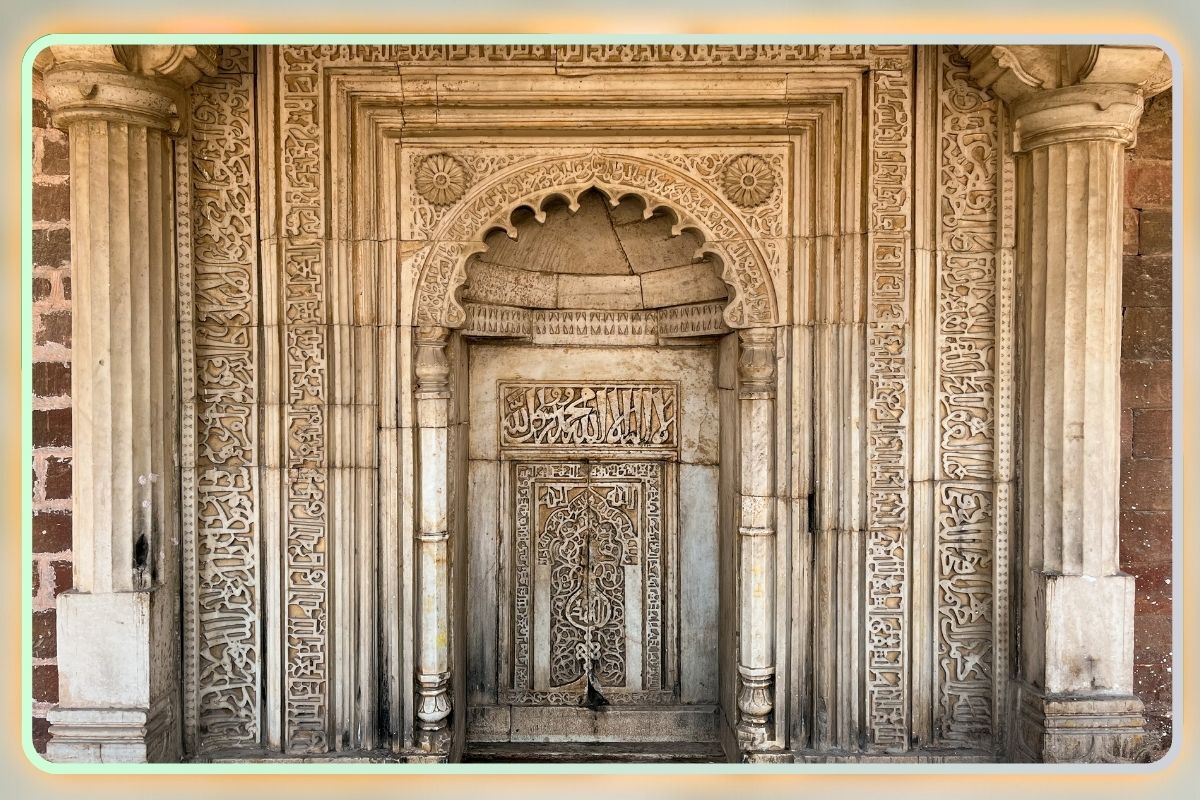
Third, it reminds us that the most powerful monuments often commemorate love rather than conquest. In an age obsessed with size and spectacle, Sultan Ghari offers something different: intimacy, simplicity, and continuity. Standing in that underground chamber, you feel connected to every person who has descended those same steps over eight centuries. The experience is personal rather than overwhelming.
When you leave, you carry away not photographs of impressive domes or intricate carvings but a sense of quiet connection to Delhi’s deepest roots. That connection matters now more than ever, as the city transforms beyond recognition. Sultan Ghari asks us to pause and remember that beneath all the change, some things remain constant: grief, love, faith, and the human need to honour what we have lost.
Also Read: Tomb of Bahlul Lodi: Delhi’s Hidden Sultan and His Humble Legacy
You can connect with DNN24 on Facebook, Twitter, and Instagram and subscribe to our YouTube channel.