
Friday, March 27, 2026
29.1 C
Delhi

Navjivan Press: A Living Legacy of Mahatma Gandhi

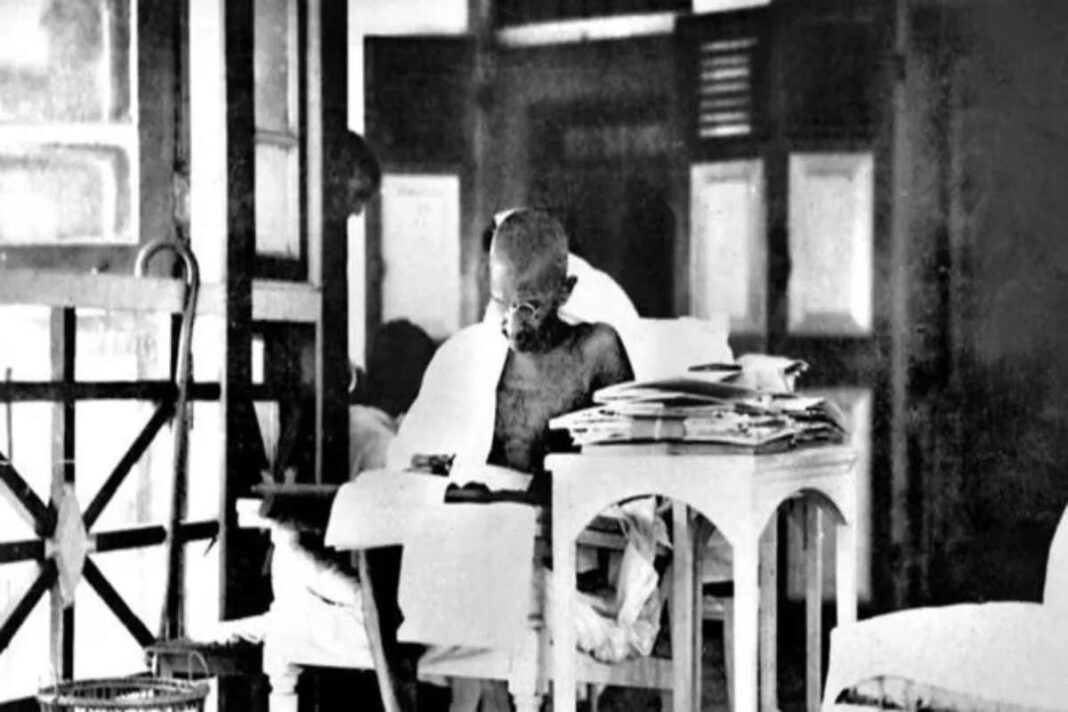
Navjivan Press, located in Ahmedabad, is a symbol of Mahatma Gandhi’s belief in the power of words and responsible journalism. Founded in 1919, it played a key role in India’s fight for independence. Gandhi understood that the press could spread his ideas of non-violence, self-reliance, and truth. He bought the Navjivan weekly from the Natwar Printing Press after no one else would publish his bold ideas. With just 2,500 initial subscriptions, it quickly grew to over 15,000 readers, making it one of the most popular Gujarati publications of its time.

Importance of Publishing

For Gandhi, publishing was not just a business; it was a moral duty. He believed that poor-quality printing was like violence because it misled readers. He insisted on high standards for printing and wanted his books to be affordable. His autobiography, ‘My Experiments with Truth’, was priced at just 12 annas to ensure everyone could read it. When a bad translation of Gokhale’s speeches was published, Gandhi demanded it be destroyed, showing his commitment to quality and truth.

Lasting Impact

Gandhi’s writings had a significant impact on the Indian public, which caught the attention of British authorities. In 1922, he faced sedition charges for his critical articles. Despite the challenges, he remained dedicated to his mission. He believed the press should serve the people and inspire courage. Today, Navjivan Press stands as a testament to Gandhi’s values of truth, self-reliance, and non-violence, continuing to inspire generations.

For detailed story, please visit: Awaz the voice

Also Read:Angshuman Thakur’s Tree School:Where Nature Nurtures Learning

You can connect with DNN24 on FacebookTwitter, and Instagram and subscribe to our YouTube channel.

LEAVE A REPLY

Please enter your comment!
Please enter your name here

Hot this week

Turning Limitless Potential Into Real Results

U.S. Ambassador Sergio Gor on shaping the U.S.-India relationship into the defining strategic partnership of the 21st century and delivering tangible benefits for both nations.

Bangladesh: Emerging from the Year of Lawlessness

Year 2025 was a turbulent one for Bangladesh politics marked by mob violence on the streets, atrocities against religious minorities and refugees and persecution of independent media, topped by Islamist resurgence. The new government, led by Tarique Rehman, has brought in stability but has its work cut out.

Shabnam Bashir: The leader who introduced Kashmir’s undiscovered paths to the world

Bandipora in Jammu and Kashmir, where the lofty peaks...

Anjum Rahbar: A Poetic Journey from Education to Imagination

She is a poet of Urdu-Hindi literature whose every...

Fahmida Riaz: A Voice of Humanity Between the Borders of India and Pakistan

In the firmament of Urdu literature, there are some...

Topics

Turning Limitless Potential Into Real Results

U.S. Ambassador Sergio Gor on shaping the U.S.-India relationship into the defining strategic partnership of the 21st century and delivering tangible benefits for both nations.

Bangladesh: Emerging from the Year of Lawlessness

Year 2025 was a turbulent one for Bangladesh politics marked by mob violence on the streets, atrocities against religious minorities and refugees and persecution of independent media, topped by Islamist resurgence. The new government, led by Tarique Rehman, has brought in stability but has its work cut out.

Anjum Rahbar: A Poetic Journey from Education to Imagination

She is a poet of Urdu-Hindi literature whose every...

Fahmida Riaz: A Voice of Humanity Between the Borders of India and Pakistan

In the firmament of Urdu literature, there are some...

Pax Silica: Building Trusted Tech Alliances

Quad program alumnus Pranay Kotasthane explains how Pax Silica is shaping trusted technology alliances and advancing U.S.-India collaboration in the AI era.

Related Articles