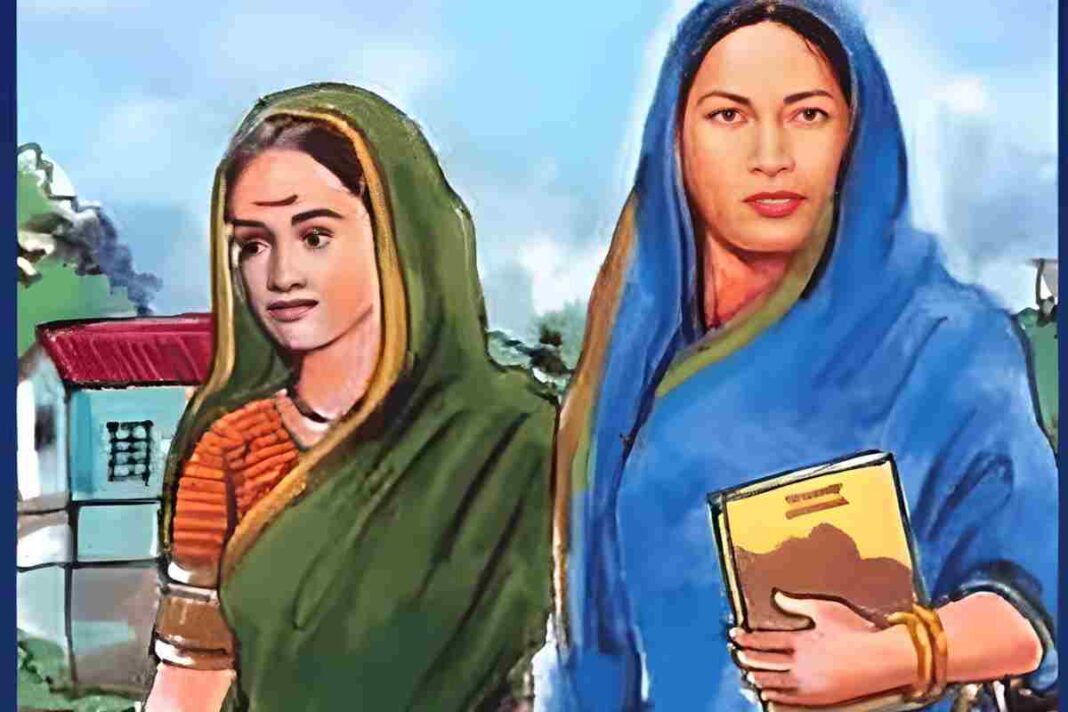

Around 250 years ago, two remarkable Indian women, Savitribai Phule, and Fatima Sheikh, embarked on a transformative journey to establish the foundation of women’s education in India. Their dedication to education and social reform, deeply intertwined, makes it fitting to remember these trailblazing educators who led women and Dalit communities toward enlightenment in the face of societal hostility and opposition.
Savitribai Phule, born on January 3, 1831, in Naigaon, Maharashtra, was wedded at 9 to Jyotiba Phule, a man committed to education. Jyotiba pursued his studies and taught Savitribai Marathi and English, enabling her to pass school examinations. Recognizing the significance of education, the Phule couple aspired to offer women from marginalized backgrounds the chance to read and write—an opportunity denied to Dalits and backward castes at the time.
However, the duo encountered a significant challenge: the need for more female teachers. Undeterred, Savitribai took herself to lead the endeavor and enrolled in a teacher training course at Missionary College. Thus, in 1848, Jyotiba and Savitribai laid the cornerstone of Pune’s first women’s school.
The road to running a school for girls was fraught with obstacles. Initially, parents hesitated to send their daughters, fearing that educating girls would disgrace their families. Savitribai, undaunted, visited homes and tirelessly advocated for the importance of education.
Savitribai’s selfless service to society continued, even during the 1896 plague outbreak in Mumbai and Pune. Tragically, she contracted the disease and passed away on March 10, 1897.
Savitribai Phule and Fatima Sheikh ignited the flame of education and knowledge in the lives of countless women. Their unwavering commitment paved the way for Dalits and women to lead dignified lives. Women today, empowered and independent, owe their progress to luminaries such as Mahatma Phule, Savitribai, and Fatima Sheikh and their enduring struggles.
For a detailed story, please visit: Awaz the voice
Also Read: Chandni Begum: The Courtesan Poetess
You can connect with DNN24 on Facebook, Twitter, and Instagram and subscribe to our YouTube channel.