

When Prime Minister Narendra Modi posted about Indian cheese on social media, most Indians stopped scrolling. Four varieties of Indian cheese had won top medals at an international competition in Brazil, and the country that gave the world paneer was suddenly making headlines for brie.
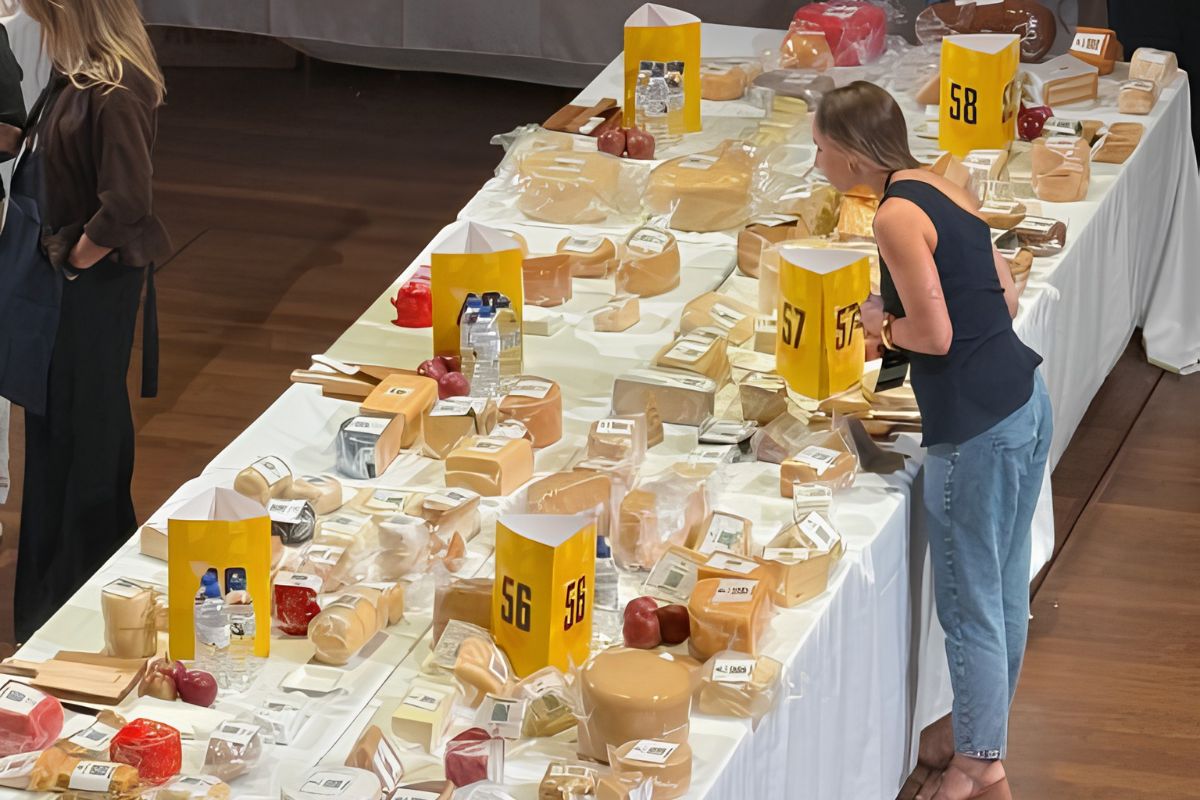
The Mundial do Queijo do Brasil 2026 took place in São Paulo in April. Over 1,000 entries arrived from more than 30 countries. A panel of 50 judges evaluated texture, flavor, and technique. Four varieties of Indian cheese were making their debut and all returned with awards: one Super Gold, two Golds, and one Silver.
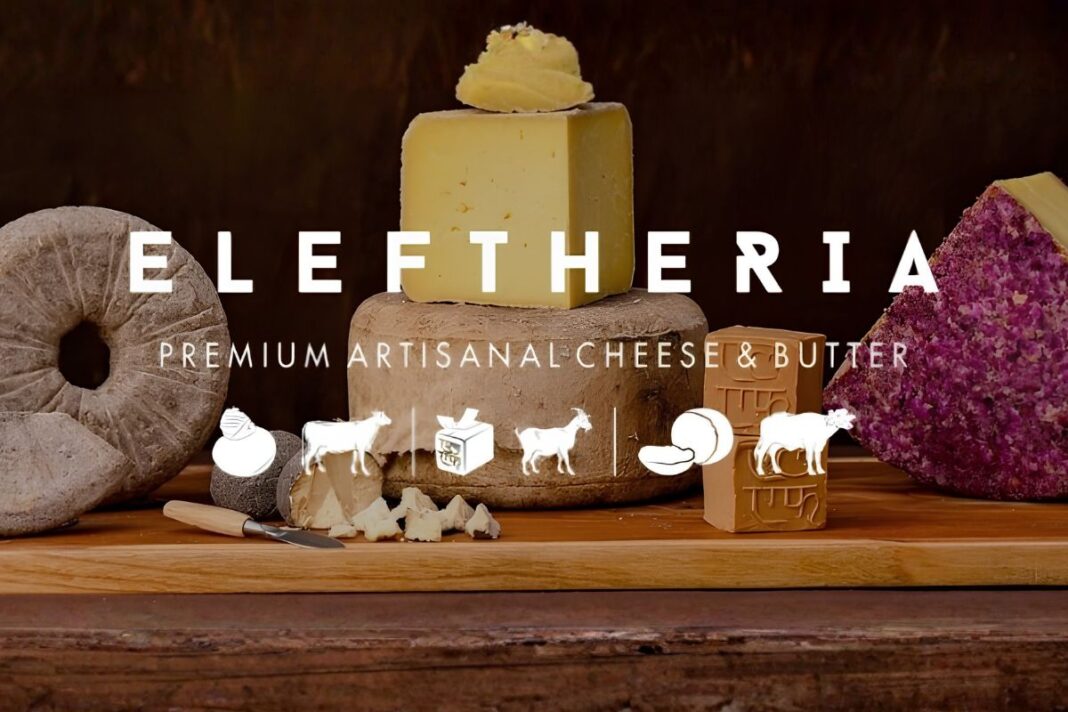
Mausam Narang, who runs a Mumbai-based company called Eleftheria, claimed three of those medals. Thenlay Nurboo, an artisan from Ladakh working with Nordic Farm, took the fourth. The wins marked India’s first appearance at the event and gave the country’s small but growing artisanal dairy sector something it had not possessed before: international validation.
The Woman Who Built Eleftheria
Narang started Eleftheria in 2022. She was a food technologist who had worked at dairy companies abroad and had trained with cheesemakers in France and Norway. When she returned to India, she saw a gap. Paneer dominated the market. Processed cheese held the rest. Artisanal products barely registered their presence.
Narang wanted to make cheese that reflected Indian ingredients and landscapes while meeting European standards. That required sourcing milk from farms that did not use antibiotics, building climate-controlled rooms to handle Mumbai’s humidity, and finding partners who shared her standards. Nurboo became one of those partners. His work with yak milk in Ladakh gave Eleftheria access to a product few Indian cheesemakers touched.

By 2025, the company was producing five thousand kilograms of cheese per month and exporting to Singapore and Dubai. Narang had also trained 200 women in cheesemaking, according to her company’s impact report. The operation remained small compared to industrial dairies, but it proved something: Indian cheeses could compete globally.
What the Judges Saw in São Paulo
The Super Gold went to Eleftheria Gulmarg, a brie-style cheese made from cow milk sourced in Maharashtra. Judges praised its creamy texture and the way it balanced richness with subtle earthy notes. The cheese ripens for 60 days in a controlled-humidity environment. Narang added herbs from Himalayan farms to the milk, giving the final product a character distinct from that of French brie. The judging notes called it technically precise.
Nordic Farm’s Yak Churpi-Soft won Gold. Traditional churpi is hard and meant for long-term storage in mountainous conditions. Nurboo created a softer version that preserved the tangy flavor of yak milk while making the cheese easier to eat. He produces it at an altitude of 4000 meters in Ladakh, where yaks graze on wild grasses. Yak milk is higher in omega-3 fatty acids and certain proteins, according to studies by the Ladakh Dairy Federation. Judges noted the cheese’s “rustic terroir.”
Eleftheria Brunost, another Gold winner, is a whey cheese inspired by Norwegian traditions. Narang simmers whey for twelve hours until the lactose caramelizes into a sweet, dense block. The process demands attention; too much heat creates bitterness. The cheese contains twenty-eight percent protein and uses a byproduct that many producers discard. It represented what Narang calls her zero-waste philosophy.
The Silver medal went to Eleftheria Kaali Miri, a semi-hard cheese aged for ninety days and coated in black pepper from Kerala. The style borrows from Belper Knolle, a Swiss cheese, but the spice gives it an Indian signature. Cow milk from Gujarat provides the base. Judges appreciated the balance between the creamy interior and the sharp pepper crust.
Obstacles and Adjustments
Building a cheese company in India required solving problems that European producers do not face. The climate works against ripening. Narang installed chambers that replicate the cool, damp conditions of European caves. Finding clean milk meant forging agreements with more than fifty small farms and ensuring they met standards verified by FSSAI, India’s food safety authority.
Transportation posed another challenge. Moving perishable cheese across long distances in a hot country demanded cold chains that are not always reliable. Narang decided to focus on local markets in Mumbai before expanding to exports. She also faced skepticism. Many Indians grew up eating paneer or processed slices. Convincing them to pay premium prices for unfamiliar tastes required patience. Narang held tastings, gave interviews, and built relationships with restaurants. Sales grew gradually.
The partnership with Nurboo helped diversify the product range. Yak milk offered something cow and buffalo milk could not: a connection to high-altitude ecosystems and nomadic traditions. It also gave Eleftheria a product that stood out in international competitions, where entries from France, Italy, and Switzerland filled most categories.
What the Medals Mean
The wins in Brazil come at a moment when India’s artisanal cheese market is expanding. Consumption has grown 15 percent annually by 2025, according to Statista. Most of that growth came from cities, where younger consumers are willing to try new foods. Events like the Indie Cheese Fest brought together small producers and built awareness.
Indian cheese is no longer an experiment. It has been tested against global standards and has succeeded. Orders at Eleftheria have zoomed by 300% after the announcement of the results. Narang has opened a second facility in Pune to meet increasing demand.
For Nurboo and the yak herders he works with, the recognition mattered differently. Ladakh’s dairy sector is small and vulnerable. Climate change affects grazing patterns. Young people leave for the cities in search of jobs. A Gold medal from an international competition has brought attention to the region and created new income opportunities.
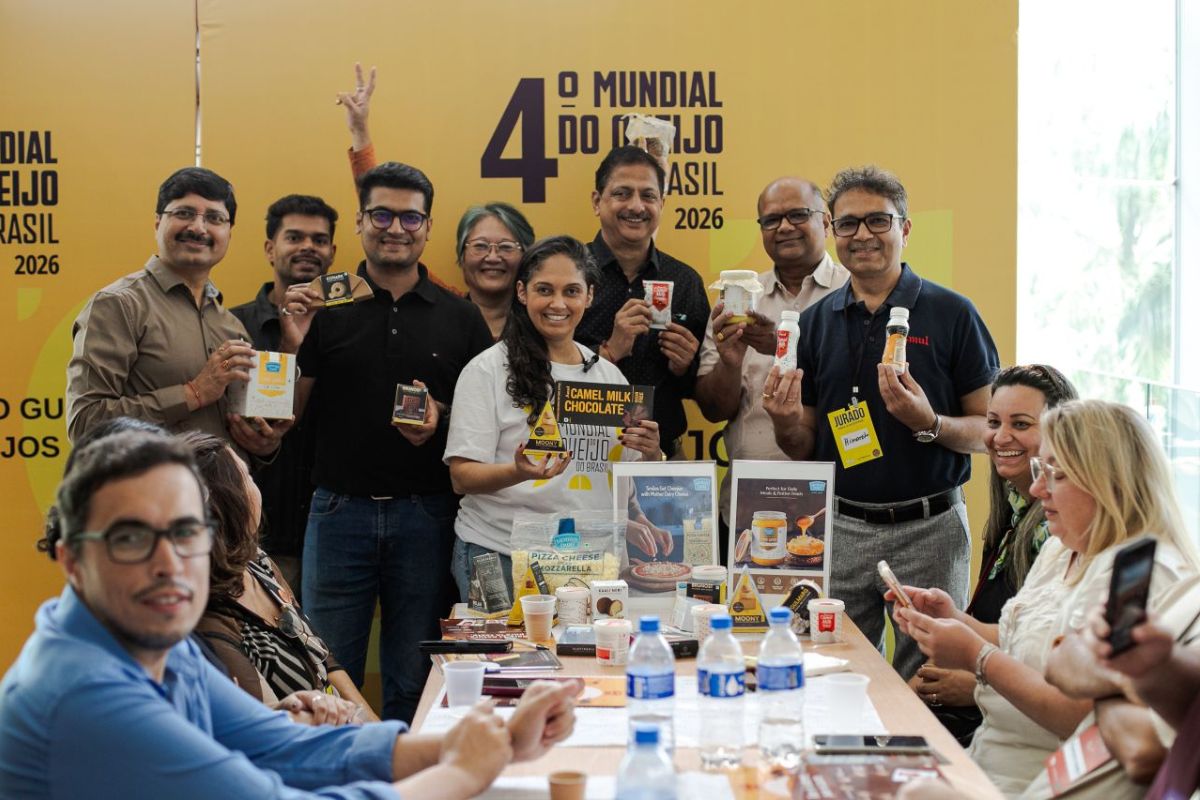
The National Dairy Development Board noted that India produces more than 1 billion liters of milk suitable for artisanal cheese each year, but most of it is used for other products. The success in Brazil suggests that export markets exist if quality can be maintained.
A Shift in Perception
Modi’s tweet about the medals reached millions. For many Indians, it was the first time they had heard of Eleftheria or Nordic Farm. It was also the first time cheese had been presented as something India could excel at on the world stage.
Narang has said she wants Eleftheria to be a model, not an exception. She mentors other cheesemakers and speaks at industry events. Her story is often framed as one of individual determination. Still, it also reflects broader changes: better infrastructure, more access to information, and a generation willing to take risks on unconventional businesses.
The four medals from São Paulo will not transform India’s dairy industry overnight. The sector remains dominated by milk, yogurt, and paneer. But they have opened a door. Indian cheesemakers now know that their products can win international competitions. Consumers know that artisanal cheese made in India can match imports in quality. Narang and Nurboo proved that location does not determine potential. A brie made in Mumbai and a churpi made in Ladakh can stand its own against cheeses from regions with centuries of tradition behind them.
Also Read:40-year-old’s quest to Conquer Antarctica’s Highest Peak
You can connect with DNN24 on Facebook, Twitter, and Instagram and subscribe to our YouTube channel.