
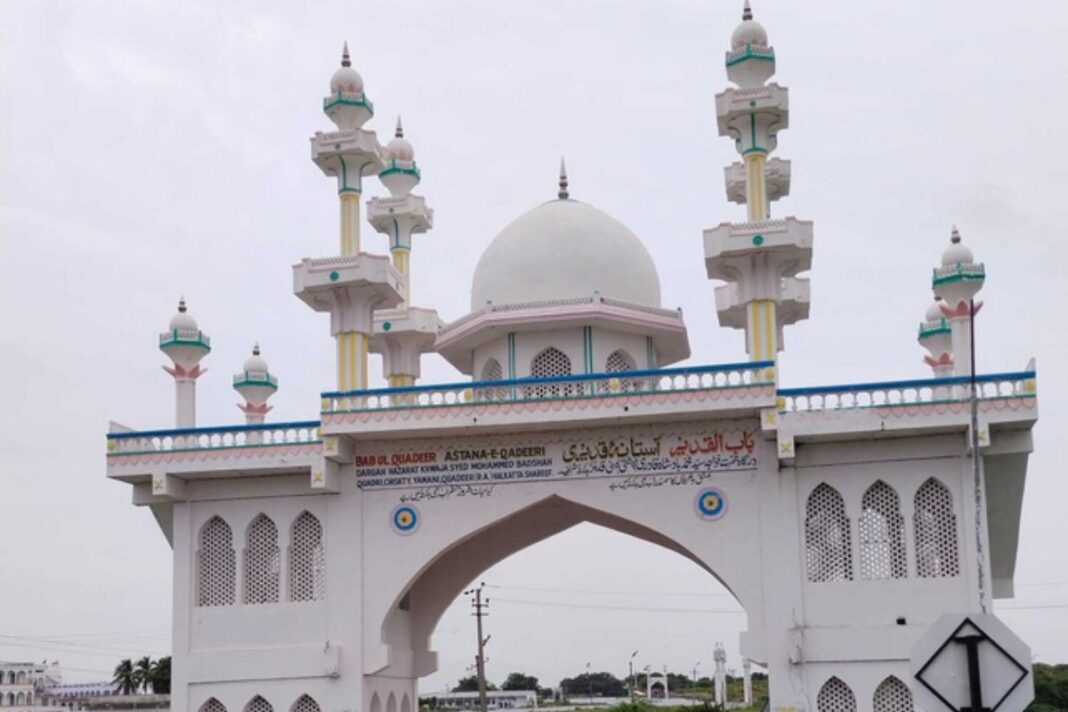

For over a century, Astana-E-Quadeeri Dargah has stood in Halkatta in Karnataka’s Gulbarga district as a beacon of hope- a place where the grieving arrive with broken hopes and leave with a quiet strength.
A Boy Born Into a Waiting World
On the morning of Eid in 1903, a child was born in a modest home in South India. The people around him had little clue that his name would one day draw thousands from distant cities, foreign countries, and the quietest corners of grief. That child was Syed Badshah Hussain Shah Quadri, known to his followers simply as Badshah Qadri. The dargah built around his tomb in Halkatta, Karnataka is one of the most visited Sufi shrines in the Deccan region.
His family traced their lineage back to Hasan ibn Ali, the grandson of Prophet Muhammad. This was not a household of wealth but of learning, prayer, and a kind of quiet certainty that runs through old spiritual families. From his earliest years, Badshah Qadri grew up hearing the names of Sufi masters spoken with reverence, and that atmosphere left a lasting mark on his understanding of the world.
The Transfer of a Sacred Torch
His first teacher was his maternal uncle, Shah Nabi Mohiuddeen Quadri, a scholar of the Chishti order whose instruction covered both the outward sciences of religion and the inward disciplines of the heart. Under his guidance, the young Badshah moved steadily through the classical stages of spiritual training, building foundations that would carry him through decades of public life and private devotion.
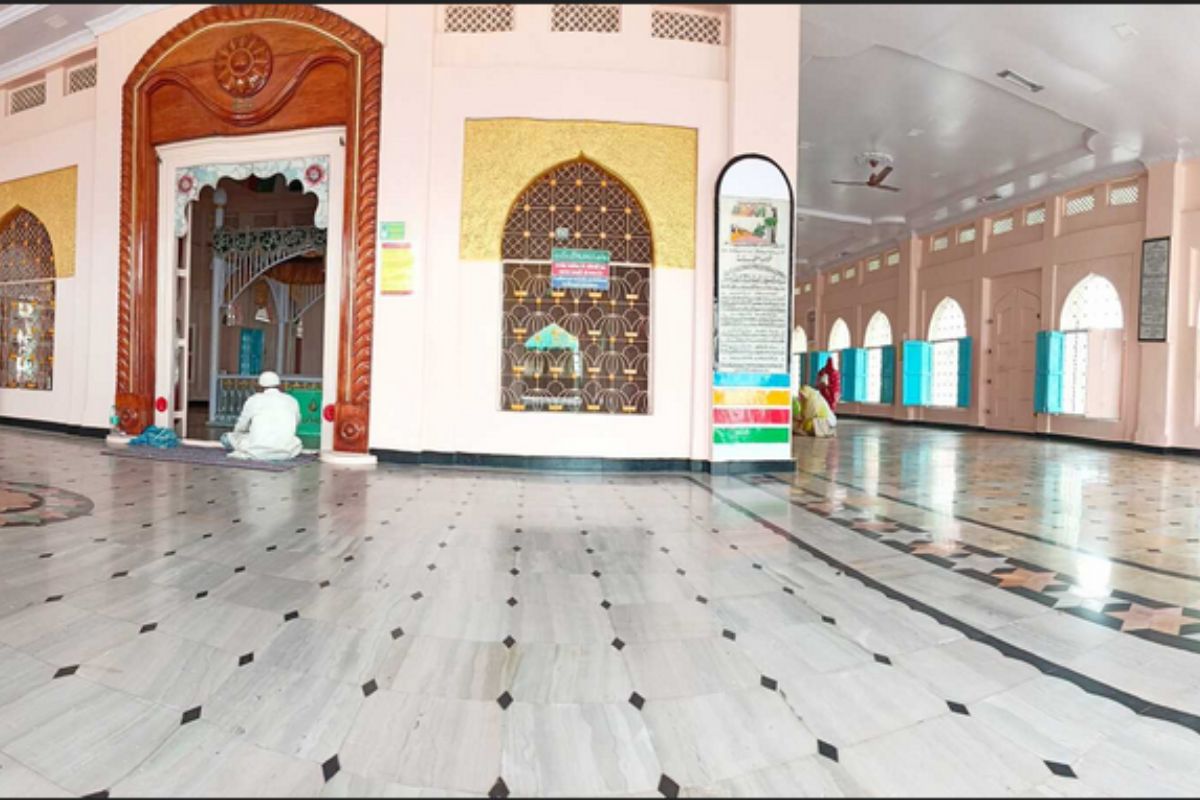
The defining moment of his life came with his initiation under Sheikh Karimullah Shah Qadiri. At the age of twenty-four, in 1318 Hijri, Badshah received khilafah (jurisdiction of the Caliph) in both the Qadiriyya and Chishti silsilas. When Karimullah Shah passed away, the mantle passed to Badshah Qadri, who stepped forward as a fully authorised spiritual guide. The weight of that responsibility shaped everything that followed.
Halkatta: A Quiet Town With an Unlikely Destiny
He chose to settle in Halkatta, a small locality near what was then a modest railway junction. The choice said something about the man. He did not seek the visibility of a large city. He sought a place where work could be done without distraction, where a community could be built from the ground up, and where the principles of Tawheed, unity in God, could be taught plainly and lived out in daily life.
Over the years, a mosque came up on that land. A madrasa followed. The Astana took shape around his presence rather than any single construction project. Disciples arrived, stayed, and carried his methods into their own localities. By the end of his active years, Badshah Qadri had formally authorised over 140 khalifas, each trained to continue the Qadiriyya and Chishti work across different regions.
A Man Measured by What He Built in Others
Badshah Qadri left no written volumes behind. His legacy travels through the people he trained, the institutions he founded, and the oral accounts of those who knew him personally. Those accounts describe a figure of steady temperament, unhurried in speech, consistent in practice, and unusually clear in his reading of what a particular person needed at a particular moment.
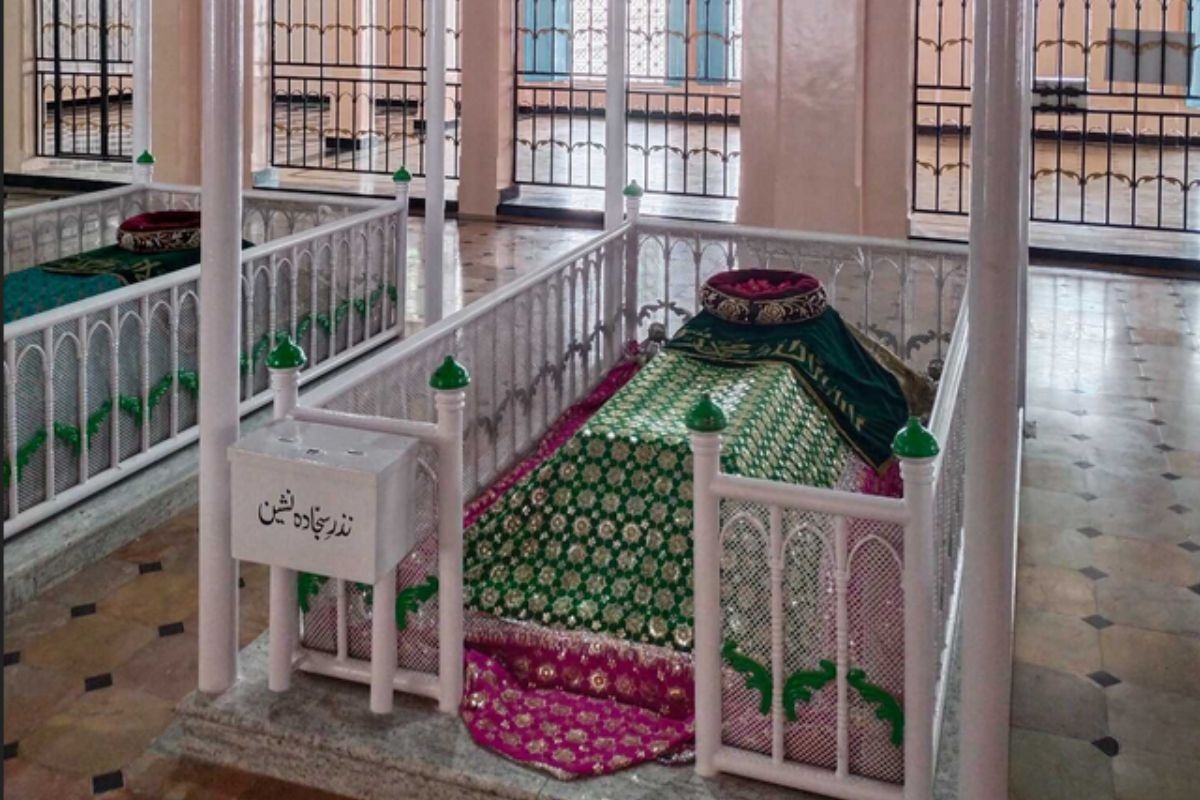
Stories of karaamats, the spiritual gifts attributed to saints in the Sufi tradition, collected around him during his lifetime and continued to accumulate after his passing. These accounts describe healings, guidance in moments of danger, and relief arriving in circumstances where ordinary means had been exhausted. Followers point to these not as spectacle but as signs consistent with a life oriented entirely toward the divine.
His daily routine was straightforward- Fajr prayer, teaching, the reception of visitors, and the quiet hours of personal devotion. Communities in the surrounding region came to know him as a resource not only for religious instruction but for the kind of counsel that settles a troubled mind. He preached unity at a time when communal tensions ran high, and the langar at his astana fed people irrespective of their background.
He died on the 14th of Muharram, 1978, leaving behind an astana that had taken on a life of its own.
The Annual Urs: A Gathering Unlike Any Other
The Urs observed each year on the 14th of Muharram is the largest annual event at Astana-e-Quadeeri. Special trains are scheduled to accommodate the volume of visitors. Pilgrims travel from Maharashtra, Karnataka, Andhra Pradesh, and from countries across the Gulf region. The grounds fill up through the night and well into the following day.
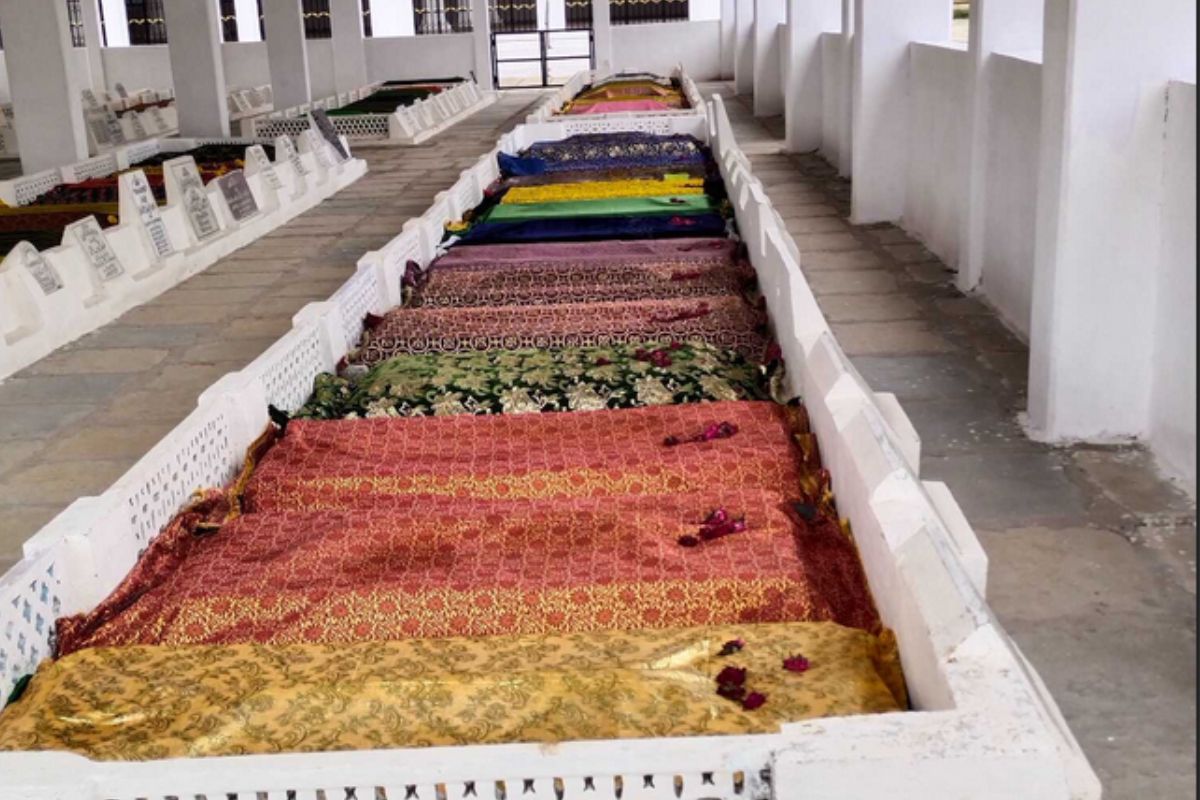
Qawwali programmes run throughout the evening, drawing performers of considerable repute. The sandal procession marks the formal ceremonial heart of the event. Langar runs continuously, and the scale of that feeding operation reflects the same principle that Badshah Qadri himself maintained during his lifetime- no one who arrives at the threshold should leave hungry.
Khadims report that requests made at the mazar during the Urs period produce results that visitors return to give thanks for in following years. The dargah registers these accounts as part of its living oral records.
The Lineage That Carries the Work Forward
The responsibility for the dargah passed through Badshah Qadri’s son and now rests with his grandson, Syed Abu Turab Shah Quadri. The madrasa continues its instruction. Charitable work organised through the dargah extends into neighbouring villages. The tradition of training and authorising khalifas continues.
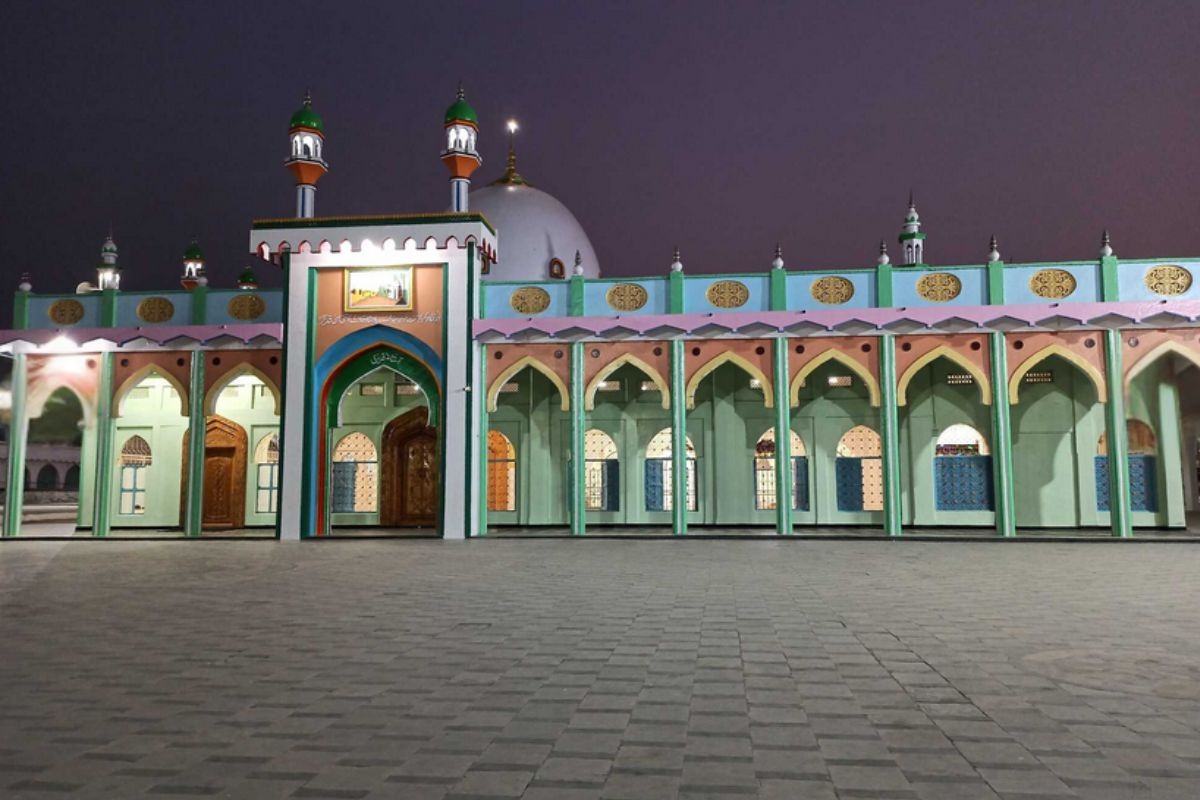
Books documenting the life and teachings of Badshah Qadri have been compiled and circulated among followers. “Gulzar-e-Qadeer” is among the more detailed of these works. Video recordings of the Urs proceedings have made the gathering accessible to followers living abroad who cannot travel but wish to remain connected to the occasion.
Why This Dargah Still Draws the Restless and the Seeking
Astana-e-Quadeeri is not a monument fixed in the past. It functions as a working institution, receiving visitors daily, running its madrasa, maintaining its charitable activities, and observing the full calendar of significant dates in the Islamic and Sufi year. The mazar at its centre draws people who arrive with very specific requests and those who arrive with no clear request at all, only a weight they cannot name and a hope that the place’s atmosphere will help them set it down.
The dargah sits within a tradition that has produced shrines of this kind across the subcontinent for several centuries. What distinguishes Astana-e-Quadeeri within that tradition is the particular character of its founder. This man trained over 140 spiritual successors, built lasting institutions from a modest plot of land near a railway track, and left no personal fortune behind except the transformed lives of those who came to him in need. That record speaks for itself, and it continues to draw people in.
Also Read:Agha Shah Dargah Holds Something Modern Life Has Almost Forgotten
You can connect with DNN24 on Facebook, Twitter, and Instagram and subscribe to our YouTube channel.